Umami: The ‘Fifth Taste’ That Explains Why Asian Food Is So Addictive
That deep, savory, keep-going-back pull in a bowl of ramen or a soy-braised dish has a name — and once you can spot umami, Asian menus start to make a lot more sense.

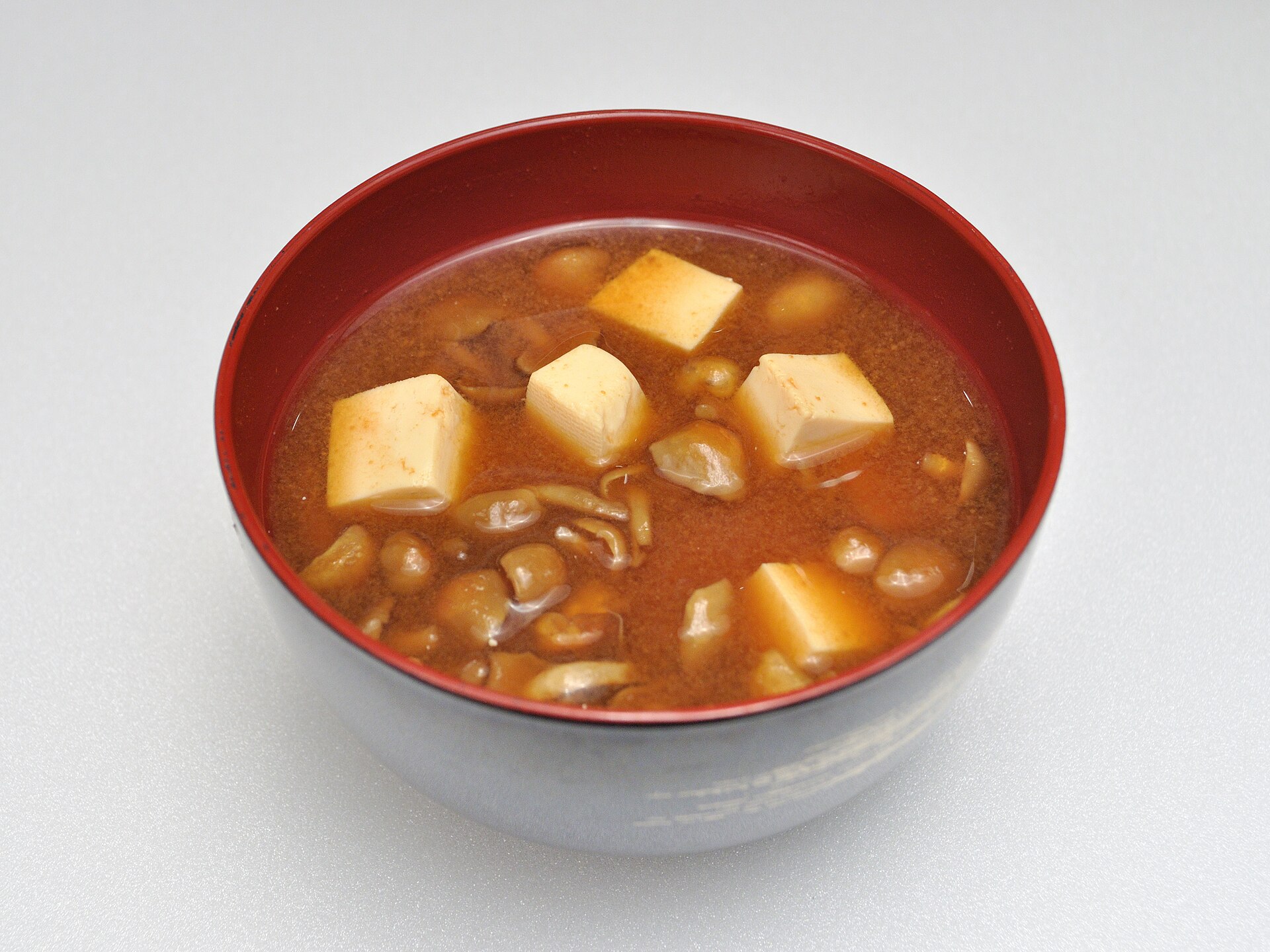
Ever notice how a spoonful of miso soup, a bite of soy-braised pork, or the last sip of ramen broth can taste so deeply satisfying that you reach for more before you have even finished the mouthful? That round, savory, almost brothy sensation is not sweet, sour, salty or bitter. It is a fifth basic taste with a name of its own — umami (うま味, roughly “pleasant savory taste”) — and once you can name it, you start noticing it all over Asian cooking.
A Tokyo chemist and a bowl of soup
In 1908, a chemist named Kikunae Ikeda at Tokyo Imperial University kept turning over a simple question: why did a plain broth made from kombu (dried kelp) taste so much richer and more mouth-filling than its humble ingredients suggested? He set out to analyze the kelp and isolated the culprit — glutamate, an amino acid. The savory quality it produced did not fit any of the four tastes then recognized, so Ikeda coined a word for it: umami, from the Japanese umai (delicious). He turned out to be right that it was fundamental. More than a century later, researchers confirmed that our tongues carry dedicated receptors for glutamate, sitting right alongside the receptors for sweet, sour, salty and bitter.
The three molecules behind the magic
Umami is not a single compound but a small family of them that work as a team:
- Glutamate — the foundation, abundant in kombu, ripe tomatoes, aged cheese, soy sauce and cured meats.
- Inosinate (IMP) — the meaty, savory note, concentrated in bonito flakes, dried fish, pork and chicken.
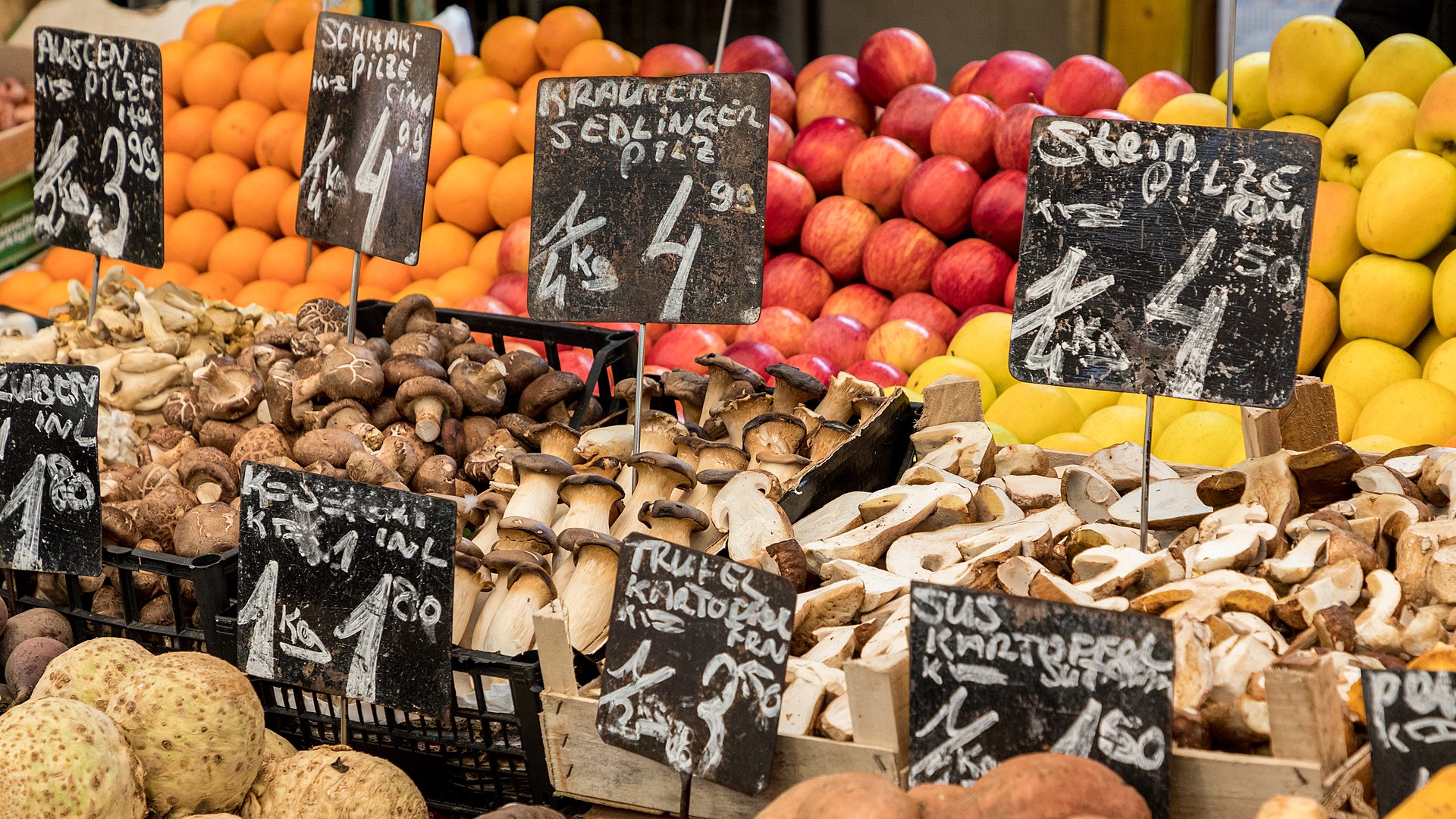
- Guanylate (GMP) — the deep, earthy layer, richest in dried mushrooms, especially shiitake.
On its own, each one is pleasant. Put them together, though, and they do something remarkable that we will come back to in a moment.
The umami map of the Asian pantry
Once you know what to look for, the Asian pantry reads like a catalogue of umami. Nearly every cuisine has built its backbone from a fermented or dried, glutamate-rich staple.
Japan
Dashi — the mother stock behind miso soup, noodle broths and simmered dishes — is essentially umami in liquid form, drawn from kombu and katsuobushi (dried, smoked bonito). Add miso, soy sauce and dried shiitake and you have the entire savory foundation of Japanese home cooking.
China
Soy sauce, oyster sauce, fermented black beans, dried shiitake, Jinhua ham and shellfish-rich XO sauce all pile on glutamate. A splash of soy and a few soaked dried mushrooms can make a plain plate of greens taste like it has been cooking all day.
Southeast Asia
Fish sauce (nuoc mam in Vietnam, nam pla in Thailand) and shrimp paste are fermented umami bombs — a teaspoon disappears into a dish and leaves only depth behind. This is why a Thai curry or a bowl of pho tastes savory in a way that is hard to pin down.
Korea
Korea ferments umami into everything: doenjang (soybean paste), ganjang (soy sauce), salted anchovies, and of course kimchi, which grows deeper and more savory the longer it ages.
Synergy: why the whole is far greater than its parts
Here is the trick Ikeda’s successors uncovered, and the real reason Asian food can be so hard to stop eating. When you combine a glutamate source with an inosinate or guanylate source, the perceived umami does not add up — it multiplies, by as much as sevenfold or eightfold. The taste receptors respond far more strongly to the pair than to either alone.
This is not a modern discovery so much as a modern explanation for what cooks already knew. Japanese dashi pairs glutamate-rich kombu with inosinate-rich bonito. A Chinese stock simmers chicken (inosinate) with dried shiitake (guanylate). Kimchi jjigae marries fermented cabbage with pork. Every one of these classic pairings is a synergy engine, engineered by generations of cooks long before anyone could measure it.
The next time a dish tastes “complete” in a way you cannot describe, look for the pairing: something dried or fermented meeting something meaty or oceanic. That handshake is umami synergy at work.
Why umami satisfies so deeply
Umami does not just taste good — it changes how a meal feels. It makes the mouth water, which spreads flavor and keeps the palate lively bite after bite. It signals protein, a cue our bodies evolved to seek out. And because it delivers so much savory satisfaction on its own, umami lets a good cook use less salt and still land a dish that tastes full and rounded.
Worth clearing up one thing: the most concentrated form of pure glutamate is MSG — literally monosodium glutamate — the same molecule Ikeda pulled from kelp, just isolated. It has spent decades wearing an undeserved bad reputation. If you have ever wondered whether it truly deserves that, read our guide to the MSG myth. For now, know this: umami is not a chemical trick. It is a real, fundamental taste, and Asian kitchens have simply been its greatest masters for a very long time.
Taste umami for yourself
The best way to understand umami is to go chase it — a bowl of dashi-rich ramen, a plate of oyster-sauce greens, a well-aged kimchi stew. Browse the JinsCafe restaurant directory to find Asian restaurants near you and order direct online, with no third-party fees, and read real diner reviews before you go. Curious what else makes these kitchens tick? Read on about whether Asian food is actually healthy.