Is Asian Food Healthy? The Best and Worst Things to Order
Asian cuisines can be some of the healthiest eating on any menu — or some of the heaviest. The difference is in what you order. Here is a practical order-this-not-that guide.

Ask whether “Asian food” is healthy and you have already asked the wrong question. Asian cuisines span a vast range — a steaming bowl of Vietnamese pho and a plate of deep-fried, sweet-glazed takeout are worlds apart nutritionally, even though both are “Asian.” The good news: many Asian culinary traditions are built on vegetables, lean protein, gentle cooking methods and balanced portions. The trick is simply knowing which dishes lean healthy and which lean heavy — so you can order with intention.
Why so much of it starts out healthy
Traditional Asian home cooking has a lot going for it. Vegetables are often the center of the plate, not an afterthought. Cooking methods like steaming, simmering, poaching and quick stir-frying use less fat than deep-frying or heavy roasting. Protein portions tend to be modest, stretched across a meal rather than piled on one plate. And fermented foods — kimchi, miso, pickles — add flavor and beneficial variety.
Where things get heavier is usually at the restaurant, where dishes are often richer, saltier and sweeter than their home-cooked versions, and portions are larger. That is not a reason to avoid eating out — just a reason to order smart.
The best things to order
These dishes tend to be lighter, more vegetable-forward, and gentler on fat and sugar:
- Broth-based soups — Vietnamese pho, Japanese ramen (light on the fatty broth), wonton soup, Korean stews loaded with vegetables and tofu. Filling and hydrating.
- Steamed dishes — steamed fish with ginger and scallion, steamed dumplings (versus fried), steamed vegetables and tofu.
- Grilled and lean proteins — Korean BBQ leaner cuts, grilled fish, satay, teriyaki (ask for sauce on the side), edamame, and sashimi.
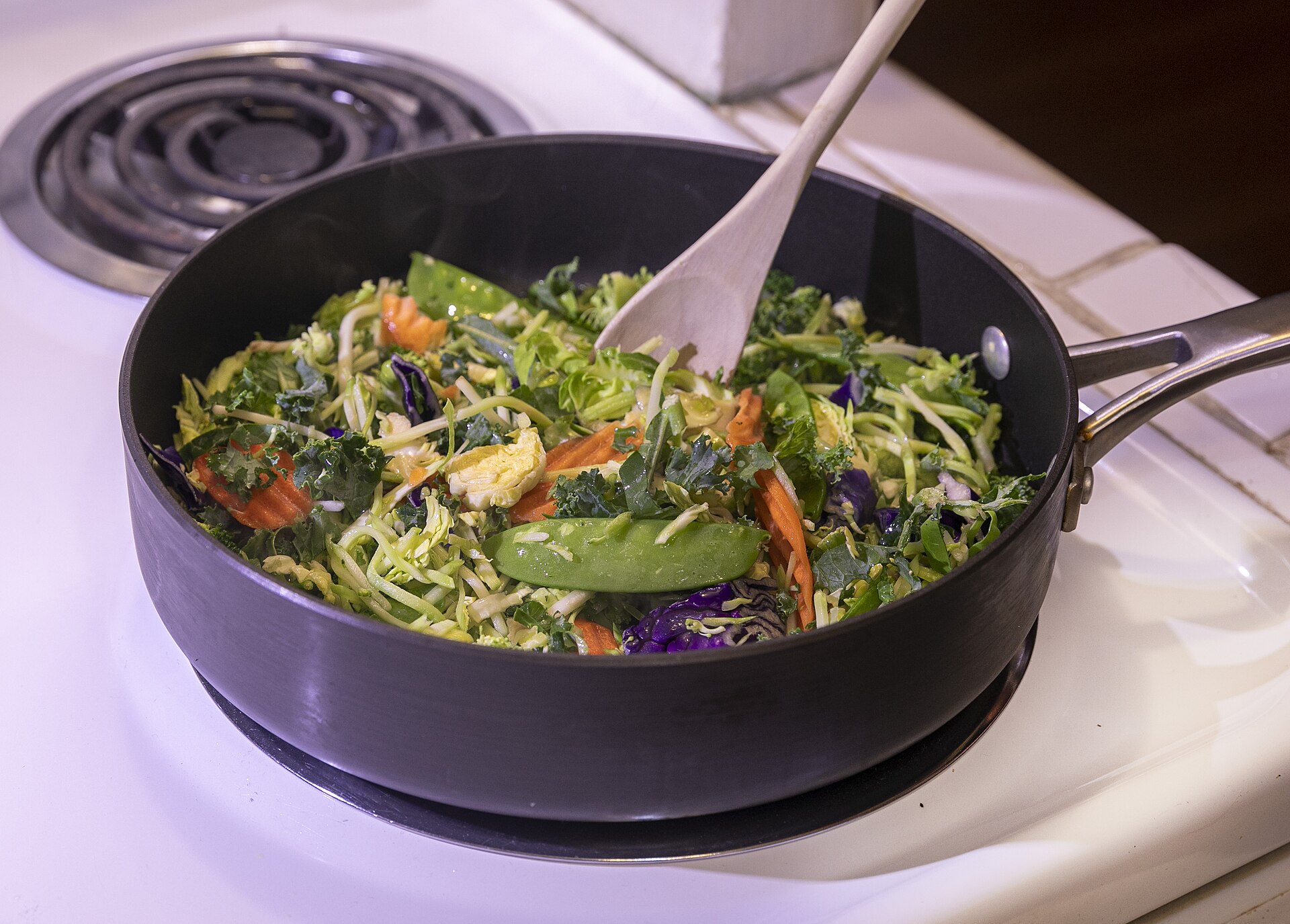
- Vegetable-forward plates — stir-fried greens, Buddha’s delight, papaya salad, japchae with lots of vegetables, and fresh (not fried) spring rolls.
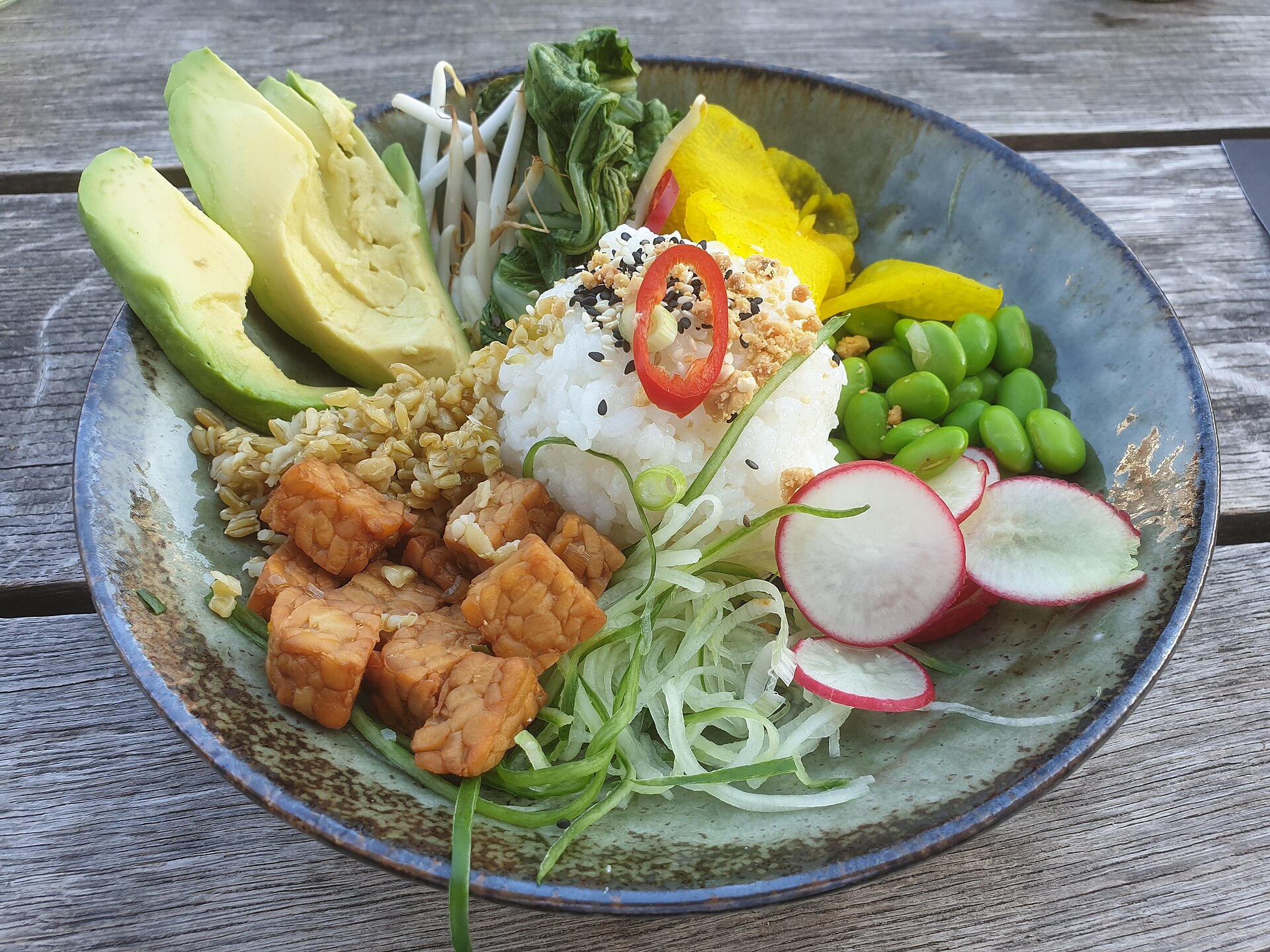
- Balanced bowls — bibimbap, a modest chirashi, or a rice bowl with plenty of vegetables and grilled protein.
The heavier picks (enjoy, but know what they are)
None of these are “bad” — they are just richer, and best treated as an occasional pleasure rather than the everyday default:
- Deep-fried anything — tempura, sweet-and-sour battered pork, fried spring rolls, crispy chili beef, fried rice done heavy.
- Sweet, sticky glazes — General Tso’s, orange chicken, honey-walnut shrimp, teriyaki drowned in sauce. The sugar adds up fast.
- Heavy-sauce and coconut-cream curries — rich, delicious, and calorie-dense; a little goes a long way.
- Fried-noodle and fried-rice mains — tasty but oil-heavy; balance them with a vegetable dish and a lighter protein.
The sodium question
The single biggest thing to watch across most Asian restaurant food is salt. Soy sauce, fish sauce, oyster sauce, miso, bean pastes and pickles are all high in sodium, and restaurant portions add up quickly. You do not have to give up flavor — a few small moves help a lot:
- Ask for sauce on the side and add it yourself.
- Dip sushi fish-side down and go light on the soy.
- Don’t drink every drop of a salty broth — enjoy the solids and some of the liquid.
- Balance a salty main with plain rice, steamed vegetables and water.
Rice, noodles and portions
Rice and noodles are the backbone of these cuisines, and they are not the enemy — portion is what matters. A few practical habits:
- Right-size the starch. A restaurant scoop of rice is often two or three servings. Take what you want and box the rest.
- Brown rice or extra vegetables where offered add fiber and staying power.
- Share family-style. Ordering several dishes to share naturally builds a more balanced, vegetable-inclusive meal than one large single plate.
- Start with soup or a vegetable dish. It takes the edge off hunger so the richer dishes become a complement, not the whole meal.
Order-this-not-that, at a glance: pho instead of a fried-noodle platter; steamed dumplings instead of fried; sashimi or a hand roll instead of a tempura-and-mayo roll; a stir-fried greens side instead of a second fried dish; sauce on the side instead of drowned in glaze. Small swaps, big difference.
The bottom line
Asian food is as healthy as the choices you make from the menu. Lean on broth, steam, vegetables and grilled proteins; treat the deep-fried and sweet-glazed dishes as the treat they are; keep an eye on sodium and portion size. Do that, and you can eat across almost any Asian cuisine and eat genuinely well. If you have dietary needs beyond calories — say you avoid gluten — see our guide to eating gluten-free at an Asian restaurant.
Order direct and eat well
Ready to put it into practice? Browse the JinsCafe restaurant directory to find Asian restaurants near you that let you order online directly — no third-party fees — and read real diner reviews to find the kitchens doing it right. And if you have ever wondered whether that savory depth is bad for you, read the science in our guide to the MSG myth.