Gluten-Free at an Asian Restaurant: The Hidden Wheat You’re Missing
Rice-based cuisines feel like a safe bet — until you learn that soy sauce is made with wheat. Here is where gluten hides on Asian menus, and how to order safely.

Asian food can feel like a natural fit for a gluten-free diet — so much of it is built on rice, rice noodles and fresh vegetables. And a lot of it genuinely is safe. But there is one surprise that catches nearly everyone off guard, and it is hiding in the most common condiment on the table: soy sauce is usually made with wheat. For someone avoiding gluten by choice, that is a nuisance. For someone with celiac disease, where even trace gluten triggers a real autoimmune reaction, it matters a great deal. This guide maps where the wheat hides and how to order with confidence.
The soy sauce problem
Traditional soy sauce is brewed from soybeans and wheat — the wheat is a core ingredient, not a contaminant. Because soy sauce is the base of so many marinades, glazes, dressings and dipping sauces, its wheat spreads silently across an entire menu. A dish can look plainly gluten-free and still have been tossed in a wheat-based sauce.
The good news is a genuine alternative: tamari. Tamari is a Japanese soy sauce traditionally made with little or no wheat, and many brands are certified gluten-free — but not all, so it is always worth confirming. Some restaurants keep gluten-free tamari on hand if you ask.
Where gluten hides (beyond soy sauce)
Wheat turns up in more places than most people expect. Watch especially for:
- Oyster sauce and hoisin — common in stir-fries and glazes; both frequently contain wheat.
- Tempura and anything “crispy” or battered — tempura batter is wheat flour. Same for many fried spring rolls, katsu (breaded cutlets) and “crispy” beef or chicken.
- Wheat noodles — ramen, udon, lo mein, chow mein, most yakisoba and many dumpling wrappers are wheat. So are the pancakes served with Peking duck.
- Seitan and many mock meats — seitan is essentially pure wheat gluten. Vegetarian “mock duck” and some meat substitutes are made from it.
- Thickened sauces — some kitchens thicken with wheat flour; sweet sauces, curries and gravies can carry it.
- Less obvious spots — some miso, some curry roux blocks, imitation crab (surimi), and certain marinades.
The safer choices
Plenty remains genuinely delicious and lower-risk. Reliable starting points:
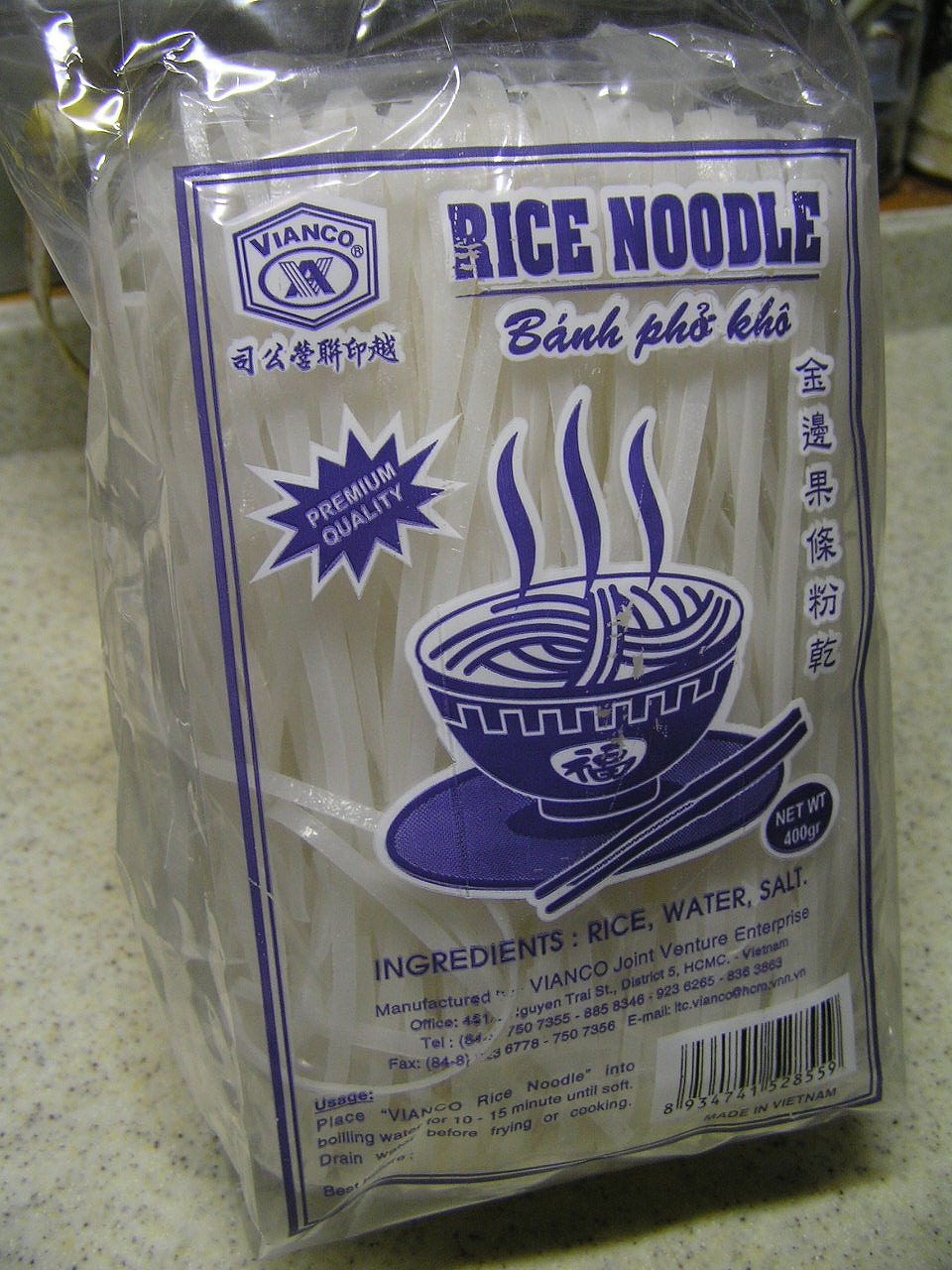
- Rice and rice noodles — steamed rice, rice-noodle dishes, and Vietnamese pho and bun (rice-noodle bowls). Confirm the broth and sauces, but the base is naturally gluten-free.
- Sashimi — plain raw fish with your own gluten-free tamari brought or requested (skip the eel, which is glazed in a wheat-based sauce).
- Fresh spring rolls — the soft rice-paper kind (not fried), with the sauce checked.
- Steamed or grilled proteins — plainly cooked fish, chicken or tofu, seasoned with gluten-free sauces.
- Naturally rice-based dishes — many Korean, Vietnamese and Thai dishes lean on rice and rice noodles rather than wheat.
Rice paper, glass (mung-bean) noodles and pure rice noodles are your friends. Just remember that a safe ingredient can still meet an unsafe sauce.
Cross-contamination: the part people miss
For celiac diners, choosing a gluten-free dish is only half the job — how it is cooked matters just as much. A busy Asian kitchen often uses shared equipment:
- The same fryer oil cooks tempura and everything else — so “gluten-free” fried items may not be.
- Woks, utensils and cutting boards move between wheat-sauced and plain dishes.
- The same pot of boiling water may cook both wheat and rice noodles.
- A splash of regular soy sauce during cooking undoes an otherwise safe dish.
If you have celiac disease, it is fair and important to ask about these steps, not just the ingredients.
How to ask, simply and clearly: “I have celiac disease, so I can’t have any wheat — including regular soy sauce. Can this be made with gluten-free tamari, and cooked without cross-contact with wheat noodles or the tempura fryer?” Naming celiac (not just “a preference”) signals that trace amounts matter, and most kitchens will take it seriously.
A few practical habits
- Call ahead at off-peak hours — a calm kitchen answers questions better than a slammed one.
- Carry your own gluten-free tamari packets so you are never dependent on the table soy sauce.
- Keep it simple. Plainly cooked dishes have fewer places for hidden gluten than complex sauced ones.
- When unsure, ask — don’t assume. “Rice noodle” on the menu doesn’t guarantee the sauce is safe.
This guidance is about eating out more safely, not medical advice — if you have celiac disease or a wheat allergy, follow the plan you’ve worked out with your own clinician.
Order direct and eat with confidence
Ordering ahead makes it far easier to note your needs and ask questions before the food is fired. Browse the JinsCafe restaurant directory to find Asian restaurants near you that let you order online directly — no third-party fees — and check diner reviews to find kitchens that handle dietary requests well. Watching calories and salt too? See our companion guide to the best and worst things to order.