Sushi 101: Nigiri, Sashimi, Maki, and How to Order Like a Regular
The difference between nigiri, sashimi and a roll — plus soy sauce etiquette and how to order at a sushi bar without second-guessing.

At its heart, sushi is about one thing: vinegared rice (shari). That is what the word actually refers to — not raw fish. Understanding the handful of forms it takes makes any sushi menu easy to read.
The forms of sushi
- Nigiri (握り) — a hand-pressed oval of rice with a slice of fish or seafood draped over it. The purest expression of a sushi chef’s skill.
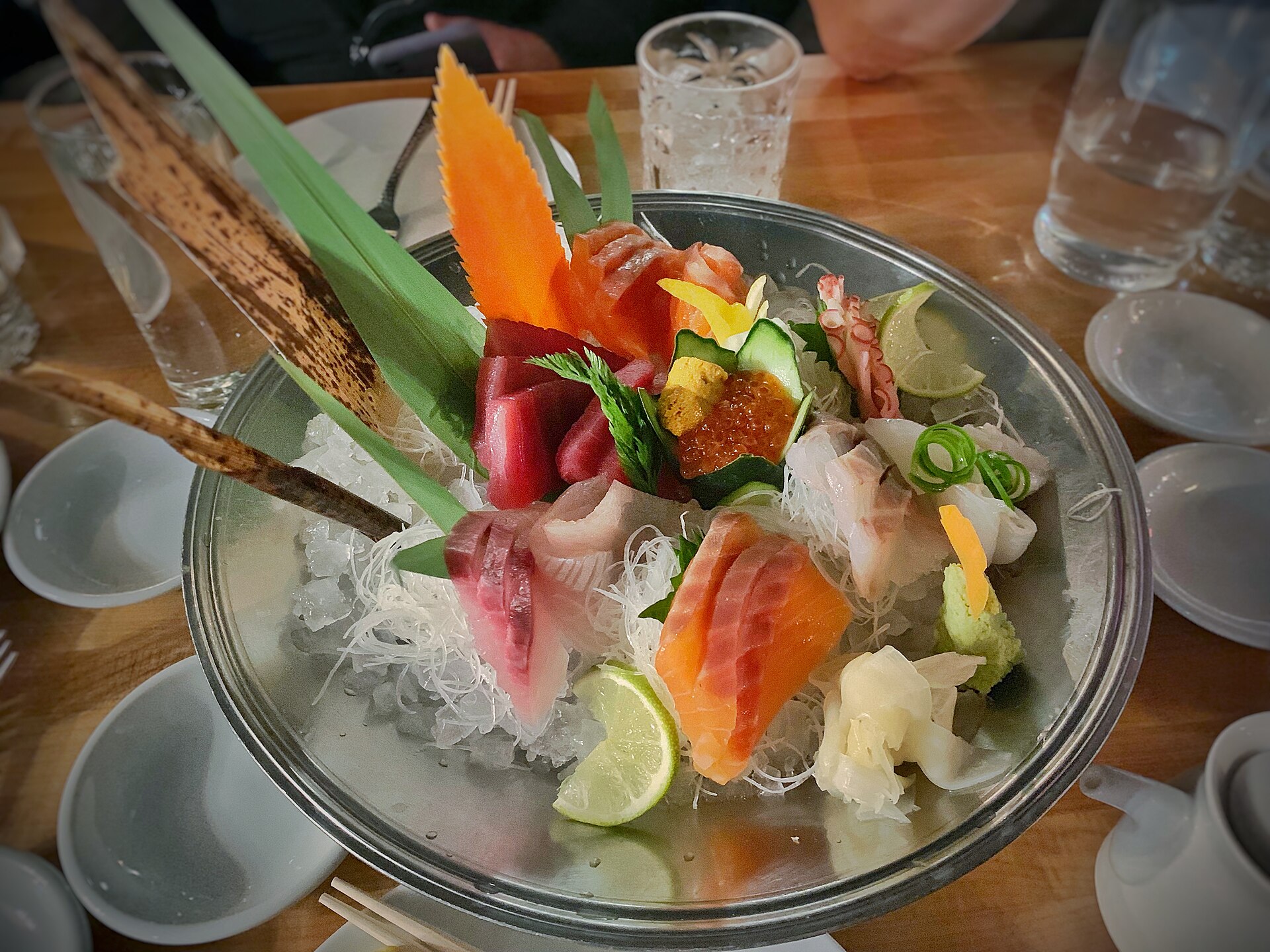
- Sashimi (刺身) — sliced raw fish on its own, no rice. Technically not sushi at all, but served at the same bar.
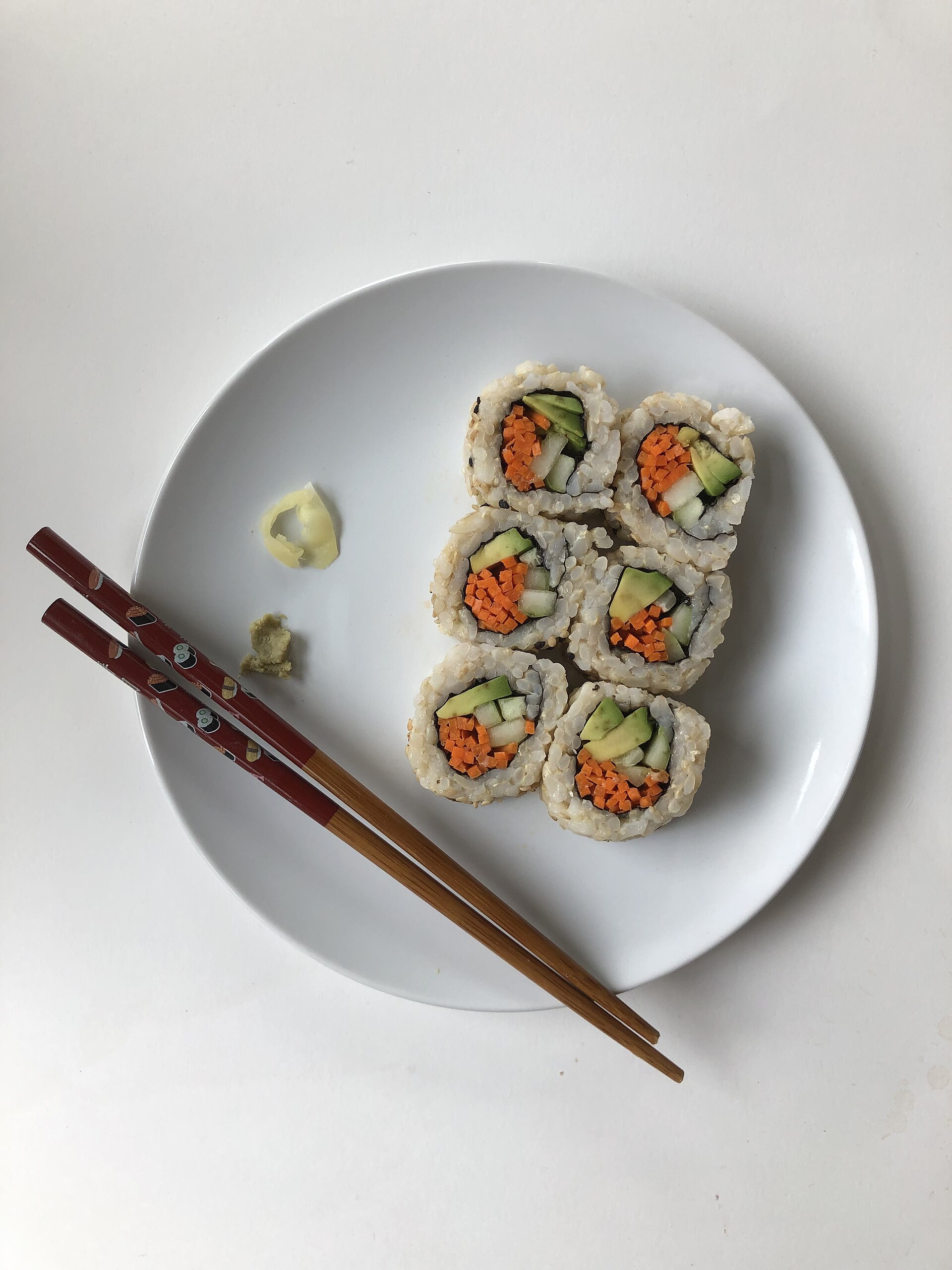
- Maki (巻き) — rolls: rice and fillings rolled in nori seaweed and cut into rounds. Includes hosomaki (thin, one filling), futomaki (fat), and the inside-out uramaki (rice outside) that most American rolls use.
- Temaki (手巻き) — a hand-rolled cone of nori, best eaten immediately while the seaweed is crisp.
- Chirashi (ちらし) — a bowl of sushi rice “scattered” with assorted sashimi; a great value order.
Common fish and toppings, decoded
- Maguro — lean tuna. Toro is the prized fatty belly (otoro is the richest).
- Sake — salmon (buttery, beginner-friendly).
- Hamachi — yellowtail, clean and rich.
- Ebi — cooked shrimp; unagi — grilled freshwater eel with sweet sauce; tamago — sweet egg omelet, a classic test of a chef.
- Uni — sea urchin, creamy and oceanic; an acquired love.
Etiquette that quietly signals you know
- Nigiri is finger food. It is perfectly correct to eat it by hand; chopsticks are for sashimi.
- Dip fish-side down, not rice-side. Dunking the rice makes it fall apart and oversalts the bite.
- Go easy on soy sauce, and don’t stir wasabi into it. The chef has usually already placed the right amount of wasabi between fish and rice.
- Ginger (gari) is a palate cleanser between pieces — not a topping.
- Eat each piece in one bite if you can; nigiri is built to be balanced whole.
How to order
If you’re new, an assorted nigiri or sashimi set (moriawase) lets the chef choose a balanced range — the easiest way to learn what you like. At a counter, you can also order piece by piece, ideally going from lighter fish (white fish, then tuna and salmon) to richer ones (toro, eel, uni) so the flavors build. And “omakase” simply means “I leave it to you” — the chef serves a curated progression.
Not into raw fish? Most sushi restaurants have plenty of cooked options: shrimp tempura rolls, eel, teriyaki, katsu, and vegetable rolls. You can eat well without a single piece of raw fish.
Find sushi near you
Browse the JinsCafe directory for Japanese and sushi restaurants that take online orders directly — no app commissions — and check ratings and reviews first. Want to explore another table full of small shared plates? Read our dim sum guide.