The Eight Great Cuisines of China: A Regional Food Guide
“Chinese food” is really dozens of regional kitchens. Here is how Sichuan, Cantonese, Hunan and the rest differ — and what to order from each.

There is no single “Chinese food.” China spans climates from subtropical coast to dry northern plain, and its cooking splits into distinct regional schools — traditionally the 八大菜系, the Eight Great Cuisines. Knowing even a few of them turns a confusing menu into a map. Here are the ones you are most likely to meet in North America.
Sichuan (川菜) — bold, numbing, layered
The most famous of China’s spicy cuisines, Sichuan cooking is defined by málà (麻辣) — the tingling “numbing heat” of Sichuan peppercorns combined with dried chilies. But it is not just about fire; a good Sichuan kitchen layers sweet, sour, garlicky and smoky notes.
- Mapo tofu (麻婆豆腐) — silky tofu in a chili-bean sauce.
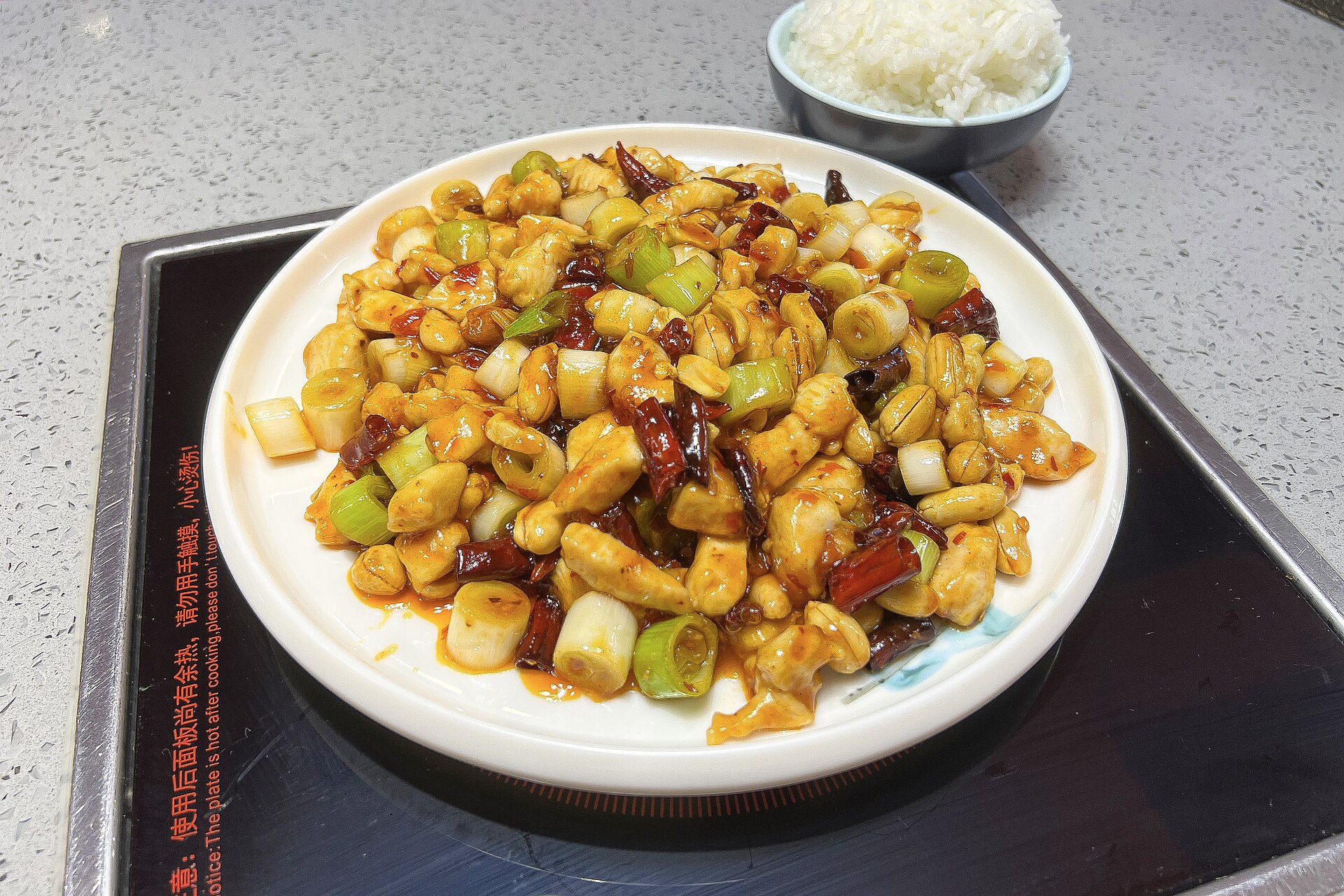
- Kung pao chicken (宫保鸡丁) — chicken with peanuts, dried chili and a sweet-sour glaze.
- Dan dan noodles (担担面) and mala hot pot.
Cantonese (粤菜) — fresh, delicate, natural
From Guangdong and Hong Kong, Cantonese cooking prizes freshness and the true flavor of the ingredient. Seasoning is restrained; technique is everything. This is the home of dim sum, of steamed whole fish, of Cantonese roast meats.
- Char siu (叉烧) — honey-glazed barbecue pork.
- Steamed fish with ginger and scallion.
- Wonton noodle soup and clay-pot rice.
Hunan (湘菜) — dry-hot and pungent
Often confused with Sichuan, Hunan cuisine is spicy in a different key: less numbing, more straightforwardly hot, sour and smoky, leaning on fresh and pickled chilies rather than peppercorns.
- Chairman Mao’s red-braised pork (红烧肉).
- Steamed fish head with chopped chilies (剁椒鱼头).
- Smoked cured meats stir-fried with leeks.
Shandong (鲁菜) — the northern classic
One of the oldest and most influential schools, Shandong cooking shaped much of northern and imperial cuisine. Expect hearty, savory, seafood-forward dishes, clear rich broths, and skilled braising.
And the rest of the eight
- Jiangsu (苏菜) — refined, slightly sweet, famous for braising and knife work.
- Zhejiang (浙菜) — fresh, mellow, seafood and river fish (think West Lake fish).
- Fujian (闽菜) — light broths and umami, the home of “Buddha Jumps Over the Wall.”
- Anhui (徽菜) — wild herbs, mushrooms and mountain ingredients.
Beyond the eight: cuisines you’ll also see
Menus in North America often feature regions outside the classic eight: Northeastern (东北) dumplings and hearty stews; Xinjiang cumin-scented lamb and hand-pulled noodles; Taiwanese beef noodle soup and street snacks; and the American-Chinese canon (General Tso’s, lo mein) that is its own real tradition.
Quick rule of thumb: Sichuan = numbing-spicy; Hunan = dry-hot; Cantonese = fresh and mild; Northern = wheat, dumplings and noodles over rice.
Explore the regions near you
Our directory lists restaurants across all of these traditions. Browse the JinsCafe directory to find them, read diner reviews, and order online with no third-party fees. For a deep dive into one region’s table, start with our guide to Cantonese dim sum.