MSG Is Not Bad for You: The Science That Debunked a 50-Year Myth
For half a century, one ingredient wore a warning label it never earned. Here is how a single 1968 letter sparked a panic — and what decades of science actually found.

For fifty years, three letters sat under a cloud of suspicion. “No MSG” signs went up in restaurant windows; shoppers scanned labels for it the way they might scan for a toxin. Yet monosodium glutamate is one of the most studied food ingredients on the planet, and the science tells a very different story from the one most of us grew up hearing. This is the story of how a myth was born — and how it was dismantled.
How it started: one letter in 1968
In April 1968, a medical journal published a short letter from a doctor describing numbness, palpitations and weakness he felt after eating at Chinese restaurants. He floated a few possible causes — cooking wine, high sodium, MSG. The journal ran it under the unfortunate heading “Chinese Restaurant Syndrome.” That name, more than any data, did the damage.
What followed was less a scientific inquiry than a cultural panic. The idea spread quickly, and it fastened specifically onto Chinese food — not onto the countless processed soups, chips, canned goods and fast foods in the average Western pantry that contained the very same additive. Decades later, many food writers and scientists have acknowledged the obvious: the reaction singled out one cuisine for a compound that was, and is, everywhere. The label said as much about who was cooking as about what was in the wok.
So what actually is MSG?
MSG is the sodium salt of glutamic acid (glutamate), an amino acid — one of the ordinary building blocks of protein. It was first isolated in 1908 by a Japanese chemist, Kikunae Ikeda, who was trying to bottle the savory taste of kombu seaweed broth. He called that taste umami, the “fifth taste” alongside sweet, salty, sour and bitter.
Here is the part that surprises people: glutamate is not exotic. Your body makes it, and it is abundant in everyday foods:
- Tomatoes — especially ripe and sun-dried, are naturally rich in free glutamate.
- Parmesan and aged cheeses — among the highest natural sources.
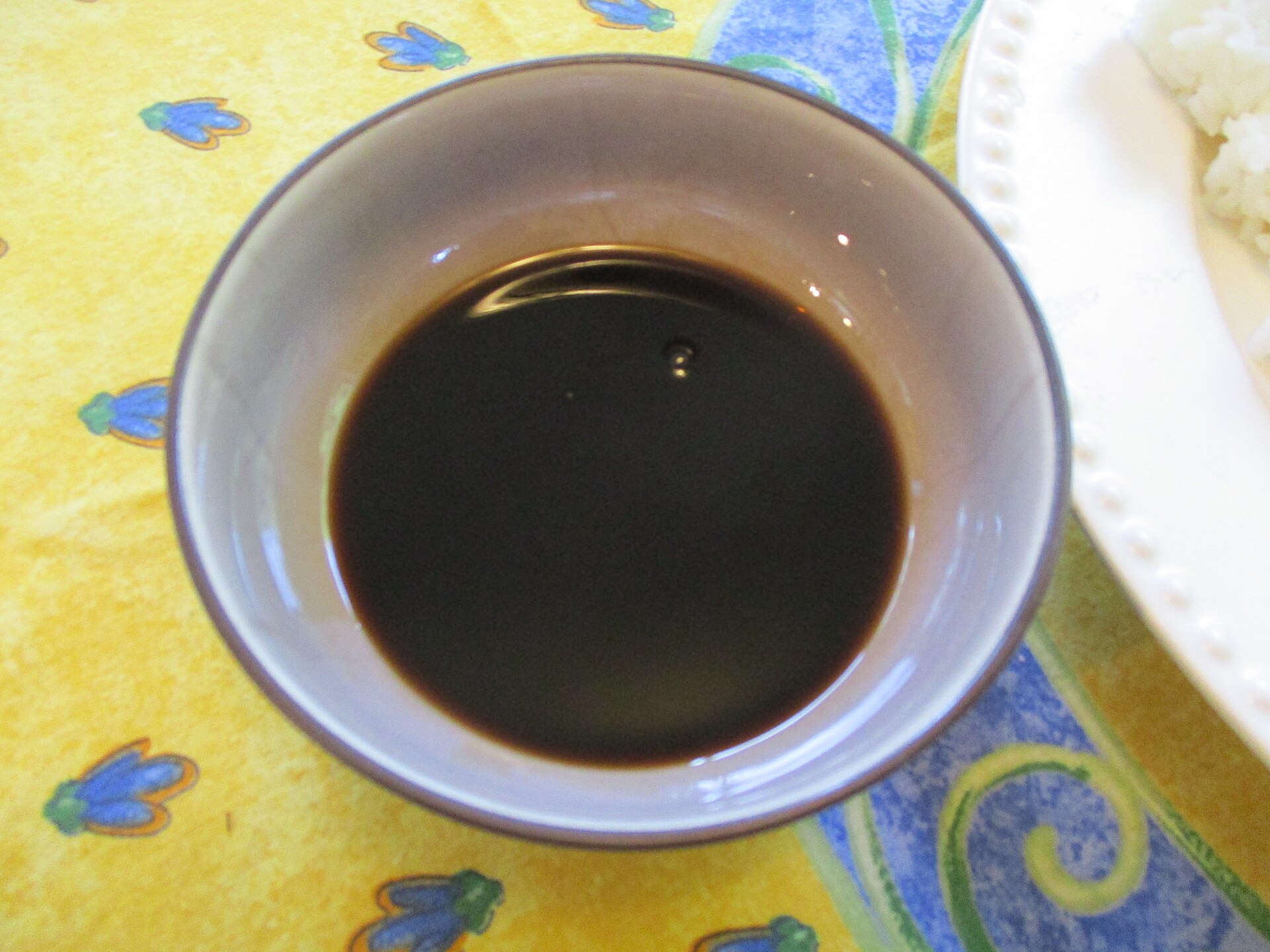
- Mushrooms, soy sauce, fish sauce, cured ham, seaweed — the umami backbone of kitchens worldwide.
- Human breast milk — contains far more free glutamate than cow’s milk; it is one of the first tastes a baby ever knows.
Chemically, your tongue cannot tell the glutamate in a tomato from the glutamate in a shaker of MSG. There is no molecular difference. When you cook a long-simmered ragu or grate parmesan over pasta, you are eating glutamate by the gram — no warning sign required.
What the research found
Because the claims were so widespread, MSG became the subject of rigorous testing. The gold standard is the double-blind, placebo-controlled trial, where neither the participant nor the researcher knows who received MSG and who received a look-alike placebo — the design that removes expectation and bias.
Across these studies, a consistent pattern emerged: when people could not tell whether they were eating MSG, researchers could not reliably reproduce the symptoms. Reviews of the evidence by scientific and regulatory bodies concluded there was no consistent link between MSG and the cluster of reactions blamed on it. The U.S. Food and Drug Administration classifies MSG as “generally recognized as safe” (GRAS) — the same category as salt, vinegar and baking powder.
The honest, balanced summary: a small number of people report that they feel mild, short-lived symptoms — a headache or flushing — after large amounts of MSG on an empty stomach. That self-reported sensitivity is real to those individuals and worth respecting. What the evidence does not support is the idea that MSG is a general danger to the public, or that it is uniquely present in one country’s cooking.
The umami connection
Strip away the myth and what is left is simply delicious. MSG works because it delivers umami — that deep, savory, mouth-filling roundness — directly. It is why a pinch can make a soup taste richer, a stir-fry taste more complete, a broth taste like it simmered for hours. Chefs across Japanese, Chinese, Korean and countless other traditions have long understood this, whether through a shake of MSG or a handful of kombu, dried mushrooms and fish sauce. If you want to understand the taste itself — where it comes from and how to build it — our guide to umami goes deeper.
Eating without fear
You are free to enjoy MSG or to skip it, the same way you might choose to add salt or not. But the choice is worth making on the facts, not on a fifty-year-old headline. The next time you see a dish seasoned for that savory depth, you can recognize it for what it is: good cooking, using a tool that tomatoes and parmesan have been using all along.
Order direct and taste it for yourself
The best way to appreciate real umami cooking is at a kitchen that takes pride in it. Browse the JinsCafe restaurant directory to find Asian restaurants near you that let you order online directly — no third-party fees — and check real diner reviews and ratings before you go. Curious how chefs build that savory depth on purpose? Read our guide to umami, the fifth taste.