Indian Food Without the Guesswork: Regions, Spice, and What to Order
“Curry” isn’t one thing and Indian isn’t one cuisine — here’s how the regions, gravies, breads and spice levels actually work, and what to order.

An Indian menu can look overwhelming — pages of unfamiliar names, a word (“curry”) that seems to mean everything and nothing, and no obvious map. But there is a logic to it. Indian food isn’t one cuisine; it’s a subcontinent of regional kitchens, and once you understand a few axes — north versus south, the family a gravy belongs to, which bread goes with what — the whole menu clicks into place. Let’s take the guesswork out.
The biggest divide: north vs south
North Indian
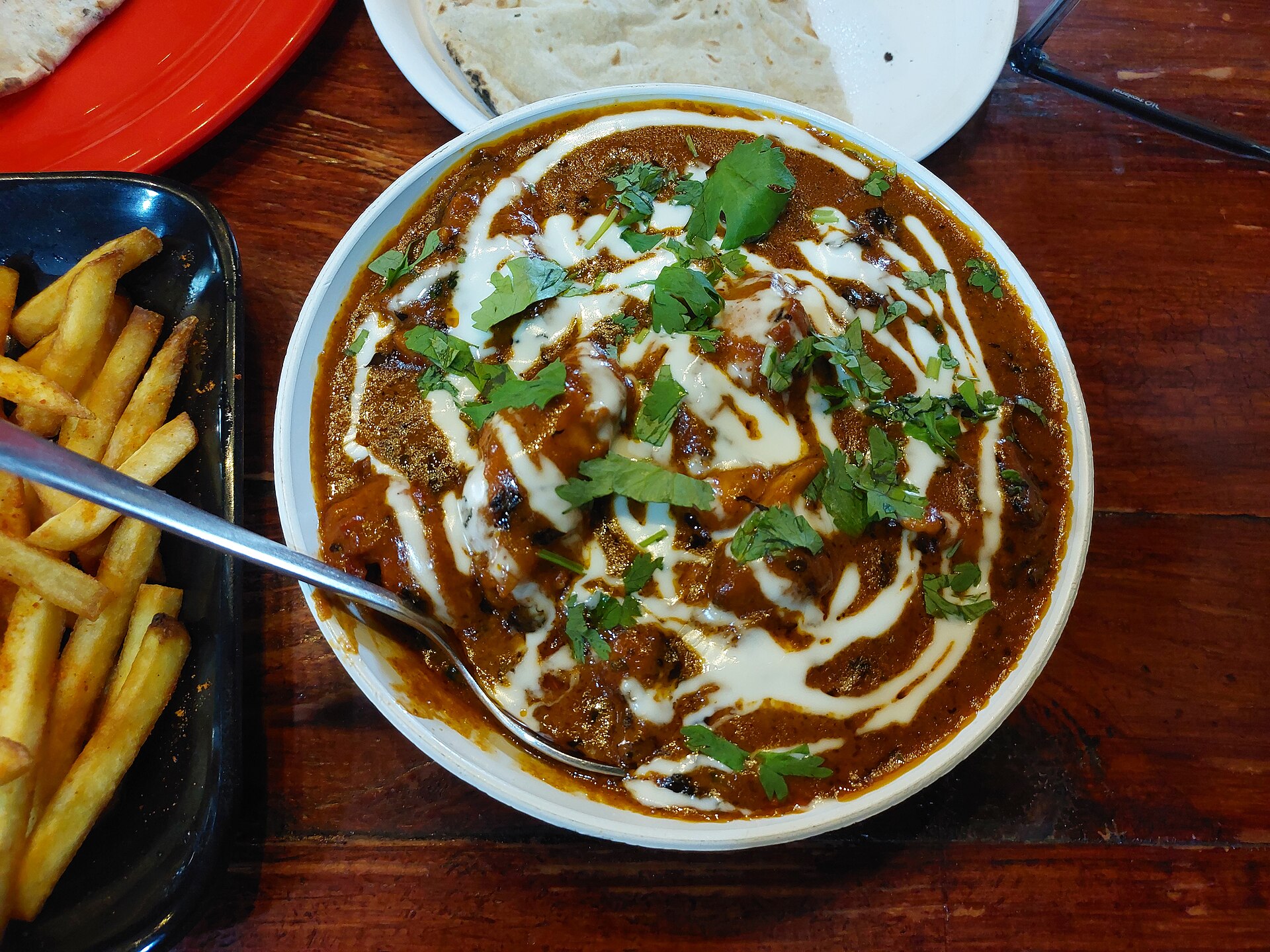
This is the Indian food most Americans grew up with. Shaped by Mughal (Persian-influenced) cooking, it leans on wheat breads, dairy, and rich, creamy gravies. Think ghee, cream, yogurt, onions, tomatoes and warm spices; tandoor-grilled meats; paneer (fresh cheese). Meals center on naan and roti.
South Indian
Lighter, often vegetarian, and built on rice, lentils and coconut rather than wheat and cream. Flavors are tangy, peppery and bright, with curry leaves, mustard seed, tamarind and coconut. This is the home of the dosa, idli and sambar — and generally the more fiery of the two.
Fast orientation: if the menu is heavy on naan, tikka and creamy gravies, you’re reading a northern kitchen. If you see dosa, idli, sambar and coconut chutney, it’s southern — or a place that does both.
Decoding “curry”: the gravy families
“Curry” just means a spiced, sauced dish — there are dozens. Learn these families and you can order anywhere:
- Tikka masala / makhani (butter) — a creamy, tomato-based, mildly spiced gravy. Rich and crowd-pleasing; the gateway curry. (Chicken tikka masala is famously a British-Indian creation.)
- Korma — mild, luxurious, thickened with yogurt, cream and ground nuts. Fragrant, barely spicy.
- Saag / palak — a pureed leafy-greens gravy (spinach or mustard greens), classically with paneer (saag paneer) or lamb.
- Dal — stewed lentils, the everyday soul food of India; dal makhani (creamy black lentils) and tadka dal (tempered with fried spices) are staples. Vegetarian, protein-rich, deeply comforting.
- Vindaloo — a Goan dish, tangy with vinegar and genuinely hot; order with respect. Rogan josh — an aromatic Kashmiri lamb curry, warmly spiced but not searing.
The breads (and the dosa)
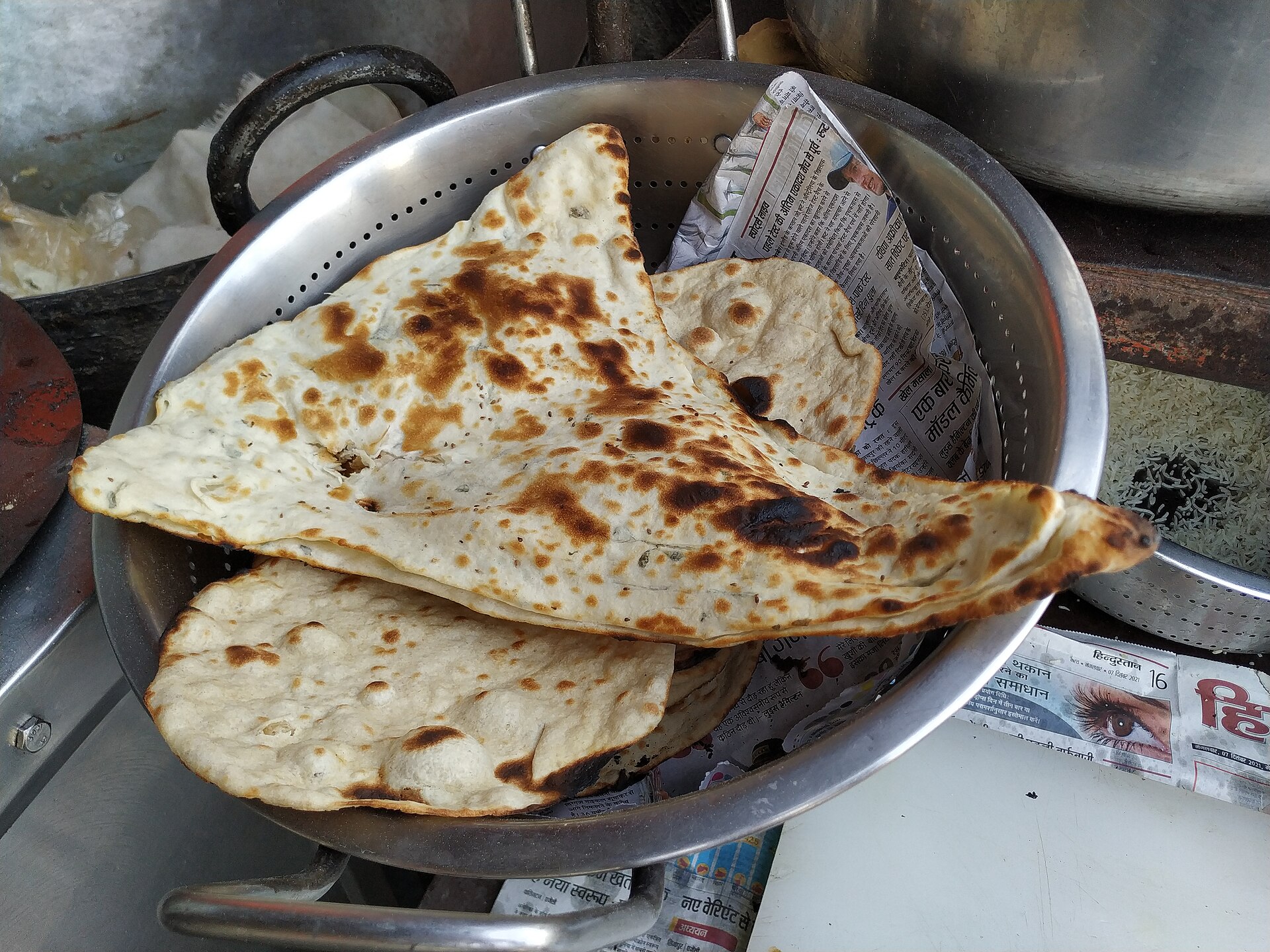
- Naan — leavened white-flour bread blistered in the tandoor; try garlic or butter naan. The classic scoop for northern gravies.
- Roti / chapati — everyday whole-wheat flatbread, unleavened and lighter than naan.
- Paratha — flaky, layered, pan-fried; sometimes stuffed (aloo paratha with potato).
- Dosa — the southern star: a large, crisp, fermented rice-and-lentil crepe, often folded around spiced potato (masala dosa) and served with sambar and chutney.
The tandoor and the rice
The tandoor is a searing clay oven that gives Indian cooking some of its signature dishes: tandoori chicken and chicken tikka (yogurt-and-spice-marinated, char-grilled), plus the naan that bakes on its walls. On the rice side, the showpiece is biryani — basmati layered with marinated meat or vegetables, saffron and whole spices, then slow-steamed (dum) so the grains stay separate and perfumed. It’s a complete meal, not a side.
Two ways in: the thali and street snacks
If you can’t decide, two formats hand you a guided tour:
- Thali — a platter of small bowls: a couple of gravies, a dal, rice, bread, yogurt, a pickle and a sweet, arranged around one plate. It’s a built-in sampler and often the best value on the menu.
- Chaat — India’s riotous street snacks, playing sweet, sour, spicy and crunchy against each other: samosa chaat, pani puri (crisp shells filled with spiced water), bhel puri (puffed rice tossed with chutneys). Order one to share and you’ll taste the whole four-flavor idea in miniature.
Spice levels and the vegetarian strength
Two things worth knowing:
- Heat is adjustable. Most kitchens will make a dish mild, medium or hot on request — “Indian-spicy” can be very hot, so calibrate. And spice ≠ heat: many dishes are deeply spiced (aromatic) without being hot.
- Vegetarians eat like royalty. India has one of the world’s great vegetarian traditions — paneer dishes, dal, chana masala (chickpeas), aloo gobi (potato-cauliflower), baingan bharta (smoky eggplant) and every dosa are veg by default. Vegans should ask about ghee, cream and yogurt.
What a beginner should order
- To start: samosas or vegetable pakora, with the chutneys.
- A mild gravy: chicken tikka masala or korma, or saag paneer for vegetarians.
- A dal to round out the table.
- Bread and rice: garlic naan plus a little basmati — or a biryani as a main.
- One from the tandoor: chicken tikka, to see what that oven does.
Order Indian direct — no third-party fees
Many Indian restaurants in our directory let you order online directly, with no delivery-app commission. Browse the JinsCafe directory to find one near you, read diner reviews first, and keep exploring — the Thai food guide covers another cuisine built on layered spice, and our umami guide explains the savory depth behind a great dal or biryani.