The Best Vegan Dishes at Every Type of Asian Restaurant
Asian menus are a goldmine for plant-based eaters — if you know what to order and which hidden animal ingredients to ask about. Here is a cuisine-by-cuisine playbook.

Here is the good news for anyone eating plant-based: Asian cuisines are some of the most vegan-friendly in the world. Centuries of Buddhist cooking, an abundance of tofu and vegetables, and a genius for making plants taste rich mean you will almost never go hungry. Here is the catch — a handful of animal ingredients hide in dishes that look vegetarian. This guide walks you through the best genuinely vegan picks at each type of restaurant, and the exact questions to ask so nothing sneaks past.
Chinese
Chinese menus are a plant-based paradise, thanks in large part to a long tradition of Buddhist vegetarian cooking.
- Mapo tofu — ask for it without the pork mince (many kitchens will happily leave it out).
- Dry-fried or stir-fried greens — garlic pea shoots, water spinach, bok choy, dry-fried green beans.
- Ma po / Buddha’s Delight (罗汉斋) — a classic mixed-vegetable and tofu braise designed to be meat-free.
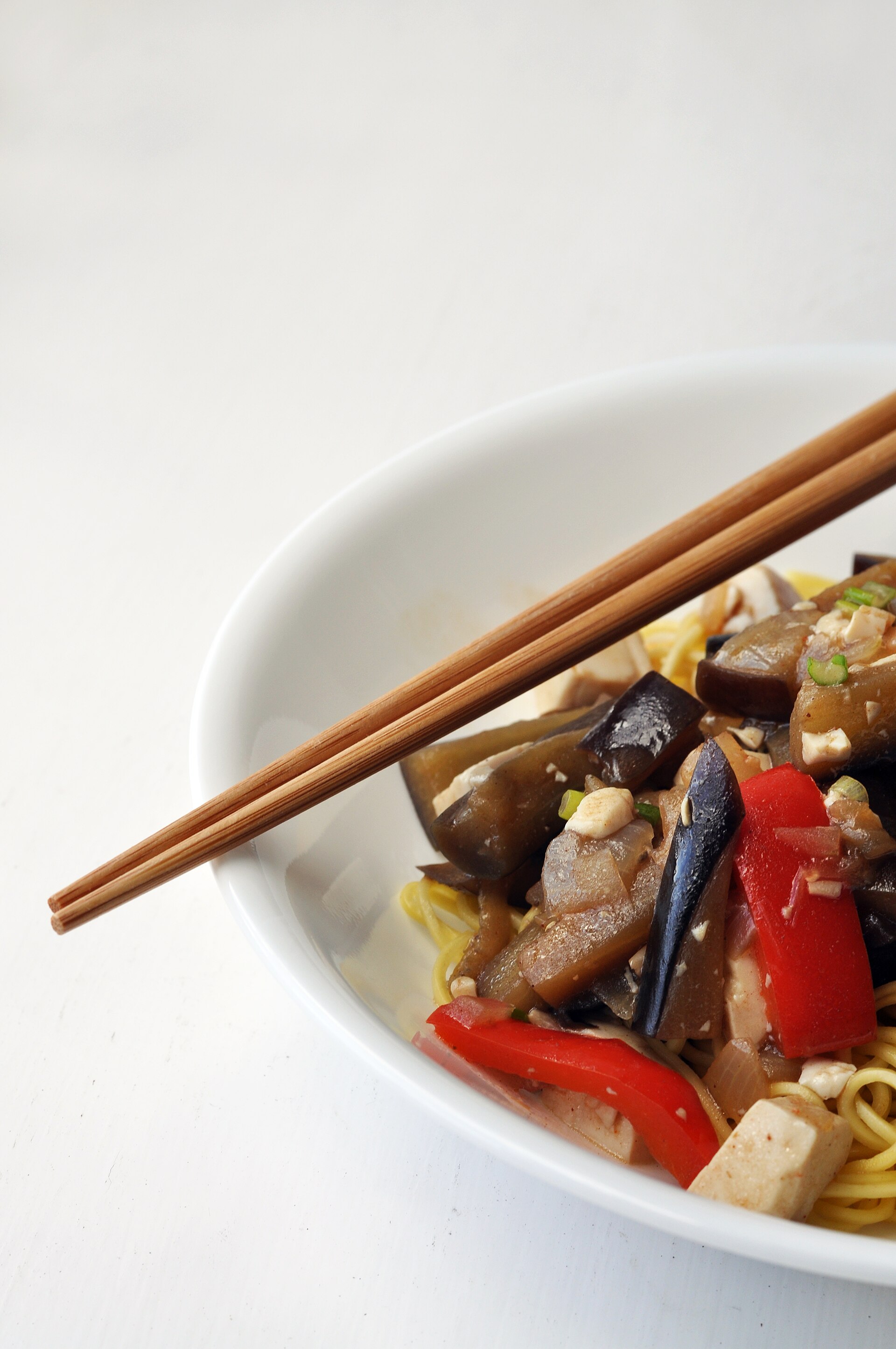
- Scallion pancakes, wood-ear salad, tofu skin, mapo eggplant.
Ask about: oyster sauce (in many “vegetable” stir-fries), chicken stock (in soups and even fried rice), egg (in fried rice and some pancakes), and lard. Request vegetable oil and a soy-based sauce instead.
Japanese
Japanese food leans heavily on tofu, soy, seaweed and vegetables — but one ingredient trips up almost everyone.
- Vegetable tempura and agedashi tofu (confirm the broth).
- Avocado, cucumber, kampyo (gourd) and inari sushi; vegetable maki rolls.
- Edamame, hiyayakko (chilled tofu), sunomono (vinegared cucumber), seaweed salad.
- Zaru soba — cold buckwheat noodles — if the dipping sauce is made without fish.
Ask about: dashi, the foundational stock made from bonito (fish). It hides in miso soup, dipping sauces, agedashi tofu and the simmering liquid for vegetables. Ask for a kombu-only (kelp) dashi. Watch for bonito flakes sprinkled on top and egg in tamago.
Thai
Thai food is fragrant, vegetable-forward, and easy to veganize — with one very important question.
- Pad pak (stir-fried vegetables), tofu pad thai, vegetable green or massaman curry with tofu.
- Som tam (green papaya salad — ask for no dried shrimp/fish sauce), tom yum or tom kha with vegetables.
- Mango sticky rice for dessert — naturally vegan and glorious.
Ask about: fish sauce (nam pla), which is in nearly everything, plus shrimp paste in many curry pastes and oyster sauce in stir-fries. Many Thai kitchens can swap in soy sauce and a vegetarian curry paste — just say “jay” (เจ), the Thai term for strict vegan, or ask clearly.
Vietnamese
Vietnam has a deep Buddhist vegetarian tradition (an chay), so many restaurants have a dedicated veg section.
- Fresh spring rolls (goi cuon) with tofu instead of shrimp/pork.
- Vegetarian pho or a tofu-and-vegetable vermicelli bowl (bun chay).
- Banh mi chay — a vegan sandwich with tofu or mushrooms.
Ask about: fish sauce (again, everywhere — including the dipping sauce nuoc cham), beef or chicken broth in standard pho, and egg. Ask specifically for the chay (vegetarian) version with vegetable broth and soy-based dipping sauce.
Korean
Korea has a celebrated temple-food tradition, and the vegetable banchan culture works in your favor — but fermented seafood is woven through the cuisine.
- Bibimbap — order it without egg and beef, and confirm the base (see below).
- Japchae (glass noodles with vegetables — ask about beef), sundubu jjigae made with vegetable broth, pajeon (scallion pancake) without seafood or egg.
- Many banchan — seasoned spinach, bean sprouts, gosari (fernbrake), sauteed greens.
Ask about: fish sauce and salted shrimp in kimchi (most traditional kimchi is not vegan), anchovy or beef stock in stews, egg on bibimbap, and gochujang that contains fish. Temple-style and modern vegan Korean spots make vegan kimchi — worth seeking out.
Indian
Indian food may be the single most vegan-friendly cuisine on any street, with a vast repertoire built around lentils, vegetables and legumes.
- Chana masala, chana/aloo dishes, dal (lentils), baingan bharta (eggplant), aloo gobi, vegetable biryani.
- Roti and chapati (whole-wheat flatbreads), samosas (usually vegan), idli, dosa and sambar in South Indian spots.
Ask about: ghee (clarified butter), cream, butter and yogurt in creamy curries (paneer dishes and “makhani”/butter sauces are dairy-heavy), and butter or milk brushed on naan. Ask for dishes cooked in oil instead of ghee, and choose roti over naan.
The universal safe question at any Asian restaurant: “Is there any fish sauce, oyster sauce, egg, dashi, or animal broth in this?” Those five cover nearly every hidden ingredient across every cuisine on this list.
A few habits that make it easy
- Look for the tofu and mushroom section first — it is usually the most vegan-adaptable.
- Learn the local word for vegetarian/vegan: jay (Thai), chay (Vietnamese), su (素, Chinese).
- Order direct so you can add a note or call the restaurant with questions — something delivery apps make awkward.
Find vegan-friendly Asian food near you
Browse the JinsCafe directory to find Chinese, Thai, Vietnamese, Korean, Japanese and Indian restaurants near you, order direct online with no third-party fees, and add your dietary notes right on the order. Read diner reviews to spot the places other plant-based eaters love, and if you are curious how these kitchens build such deep flavor without meat, read our guide to umami, the fifth taste.