Ramen Is Not Instant Noodles: A Guide to the Real Bowl
The cellophane packet and the ramen shop share little more than a name — here is what actually goes into a real bowl, and how to order and eat one.

Let’s clear this up first: the shrink-wrapped instant bricks in the pantry and a bowl at a real ramen shop share a name and almost nothing else. Instant ramen was invented in 1958 as a cheap, shelf-stable convenience. A proper bowl of ramen is a composed dish that a shop may spend a day or more building — broth simmered for hours, noodles made to spec, toppings prepared individually, all assembled to order in a specific balance. Understanding its parts is the difference between slurping blindly and knowing exactly what you like.
A bowl of ramen has four parts
Every bowl is an assembly of four elements, and shops obsess over each:
- Broth — the base, from pork, chicken, fish or kombu, simmered for hours.
- Tare — the concentrated seasoning base spooned into the bowl first; this is what actually names the ramen (see below).
- Noodles — wheat noodles made with kansui (alkaline water), which gives them their springy bite and yellow color.
- Toppings — the finishing layer, from chashu to soft egg to nori.
The broth-and-tare styles you’ll see
Menus usually name ramen by its tare (the seasoning) or its broth. The four classics:
- Shoyu (醤油) — soy-sauce seasoned, usually over a clear chicken or pork stock. Savory, balanced, a little tangy — the original Tokyo style.
- Shio (塩) — salt-seasoned; the lightest and clearest, letting a delicate broth shine.
- Miso — fermented soybean paste in the tare; hearty, nutty and slightly sweet. Born in Hokkaido, great in cold weather.
- Tonkotsu (豚骨) — this names the broth, not the tare: pork bones boiled hard for many hours into a rich, creamy, opaque soup. A Kyushu specialty and many people’s favorite. (It can be paired with a shoyu or shio tare.)
Common mix-up: tonkotsu (豚骨, “pork bone”) is not tonkatsu (とんかつ), the breaded fried pork cutlet. Same pig, very different dish.
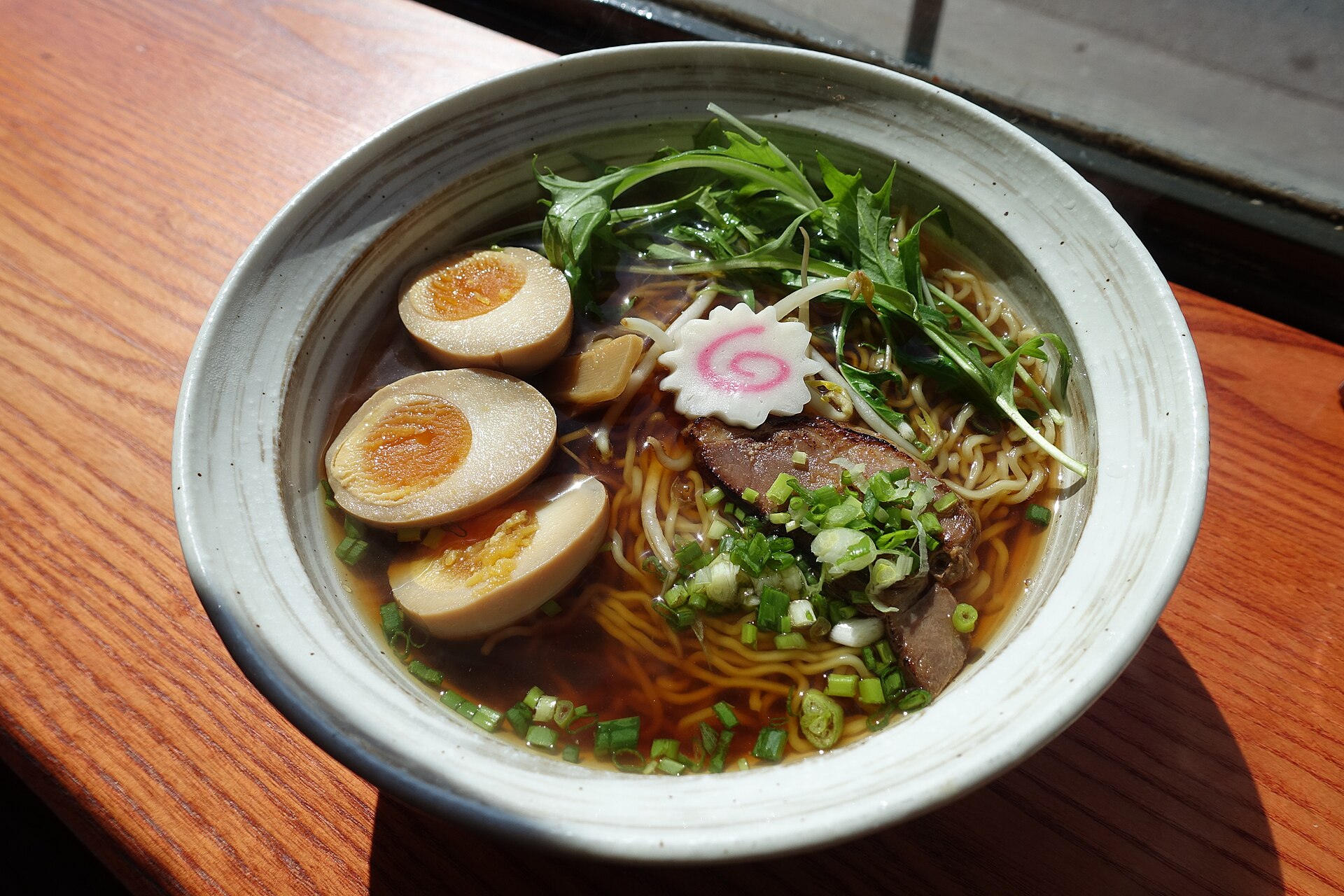
Noodles and toppings, decoded
Noodles vary from thin and straight (classic with tonkotsu) to thick and wavy (a good match for miso). At many tonkotsu shops you can specify firmness — katame (firm) is the enthusiast’s pick. Toppings to know:
- Chashu — braised or rolled pork belly/shoulder, sliced and draped over the top.
- Ajitama — a marinated soft-boiled egg with a jammy orange yolk. The best two dollars you can add.
- Menma — seasoned fermented bamboo shoots, for savory crunch.
- Nori — a sheet of dried seaweed; negi — sliced green onion; naruto — the pink-swirled fish cake; bean sprouts, corn, wood-ear mushroom and a knob of butter (classic on miso).
Where the styles come from: regional ramen
Ramen is fiercely regional in Japan, and many shops name their bowl after a city’s tradition:
- Sapporo (Hokkaido) — the home of miso ramen, thick curly noodles, corn and butter, built for brutal winters.
- Hakata / Fukuoka (Kyushu) — the epicenter of tonkotsu, with thin straight noodles and the kaedama refill custom.
- Tokyo — classic shoyu over a chicken-and-dashi broth, medium curly noodles.
- Kitakata and Hakodate — famed for their own shoyu and shio bowls respectively.
None of these is “the right one.” They’re different destinations, and a good shop commits to one and does it well.
How to order and eat it
- Order fast and eat fast. Ramen is built to be eaten immediately — the noodles keep cooking in the hot broth and soften if you dawdle. This is not a lingering meal.
- Slurping is correct. Pulling in air with the noodles cools them and carries aroma — it genuinely tastes better, and it’s polite, not rude.
- Use both hands: chopsticks for noodles and toppings, the spoon for broth. Lift the bowl if you like.
- Add-ons: many shops offer kaedama — a second helping of noodles for your leftover broth. Season boosters like garlic, chili oil (rayu) and pickled greens are often on the table.
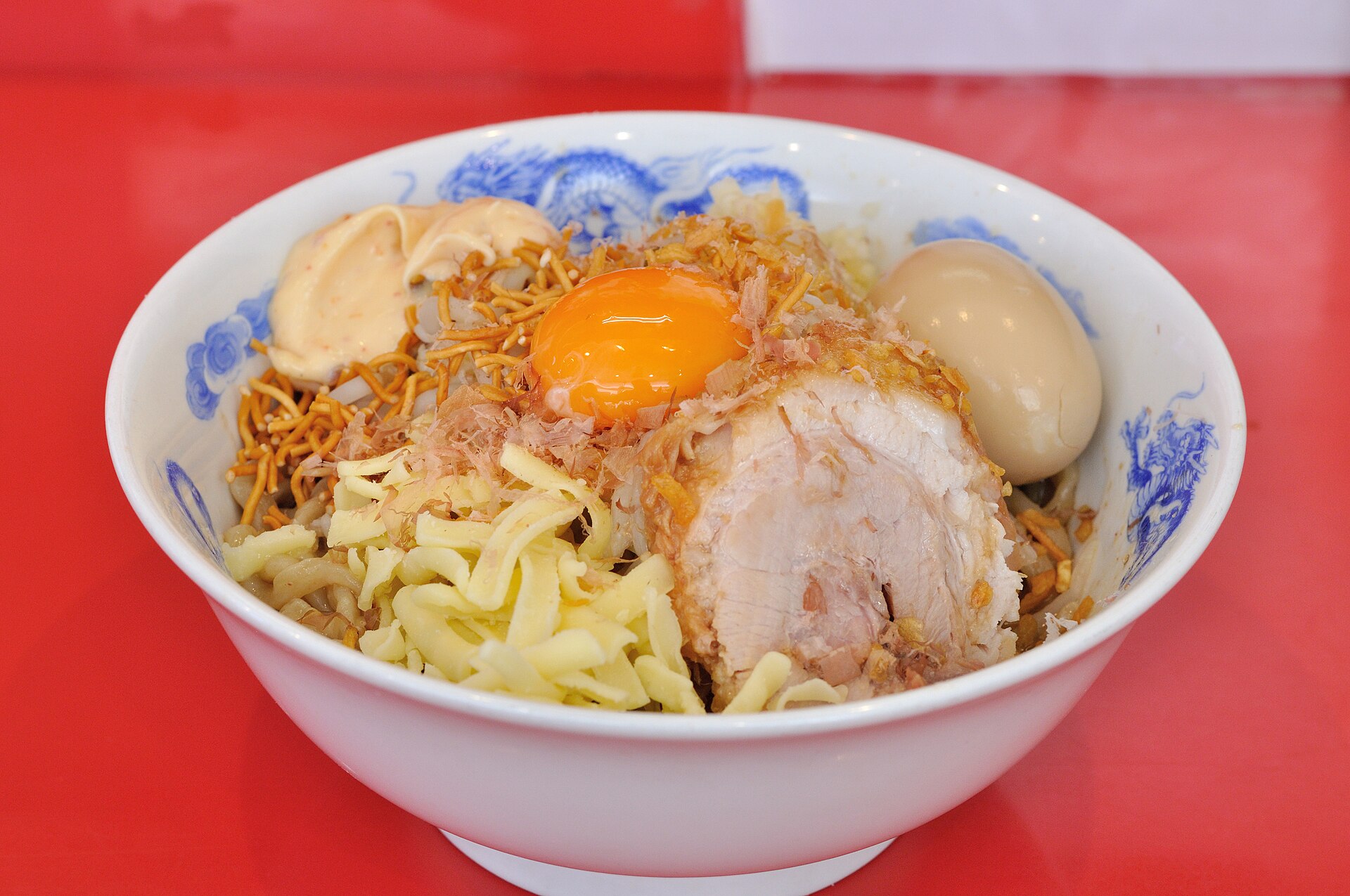
Beyond the bowl: tsukemen and mazemen
- Tsukemen — “dipping ramen”: chilled, firmer noodles served separately from a small bowl of intense, concentrated broth you dip each bite into. Great in warm weather and a favorite of noodle purists.
- Mazemen (aburasoba) — “mixed noodles” with little or no broth: noodles tossed with tare, oil and toppings that you stir together yourself. Rich and punchy.
And don’t overlook the sides: a plate of gyoza (pan-fried dumplings), karaage (Japanese fried chicken) or a small rice bowl rounds out the meal, and many shops offer a set that pairs a bowl with one of them.
Find real ramen near you
Browse the JinsCafe directory for Japanese and ramen shops that take online orders directly — no app commission — and check ratings and reviews first (a serious broth is worth a short drive). Exploring more of the Japanese table? Read our sushi guide, or go deep on umami — the savory science that makes a great ramen broth so hard to put down.