9 Things Locals Order That Tourists Never Notice
The off-menu asks, the family-style math, the soup that ends the meal — nine quiet moves that separate a regular from a first-timer, across five Asian tables.

Two people can sit at the same restaurant, order from the same menu, and eat two completely different meals. The regular orders the dish that isn’t printed, times the rice to the end, and turns a plate of herbs into half the flavor. None of it is secret — it’s just knowledge nobody hands you at the door. Here are nine of those moves, across Chinese, Japanese, Korean, Thai and Vietnamese tables. Learn a few and every meal gets better.
Before you even open the menu
1. Ask what the staff are eating
The single most useful question in any restaurant is “what do you eat here?” or “what’s good today?” Kitchens cook a family meal for the staff, and it’s often the truest version of the food — the dish the owner would serve their own table. Servers light up when you ask, and you’ll routinely end up with something better than anything you would have pointed at.
2. Order off the other-language menu
Many Chinese, Thai and Vietnamese restaurants keep a second menu — on the wall, in another language, or simply “the specials” — that never makes it into the English photos. It’s where the whole fish, the clay-pot dishes, the offal, and the regional specialties live. Just ask: “Is there anything you make for Chinese (or Thai, or Vietnamese) customers that isn’t on this menu?” The answer is almost always yes.
How locals fill the table
3. The family-style math
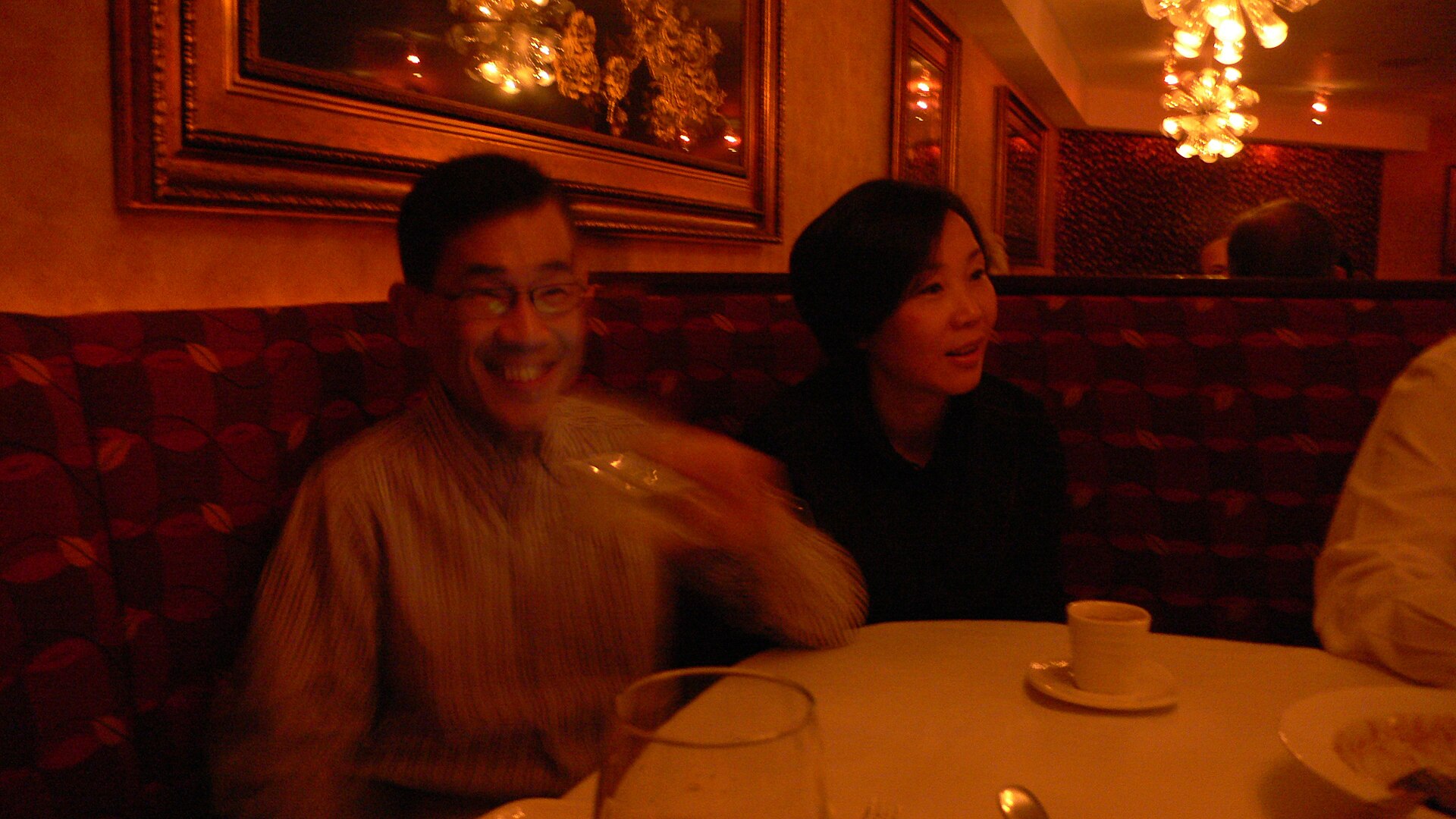
Tourists order one entrée each and end up with a wall of identical plates. Locals order for the table: a rough rule is one dish per person, plus one — so four people order five dishes — with a spread of textures and cooking methods rather than four stir-fries. One braise, one vegetable, one steamed, one crispy, one soup. Everyone tastes everything, and the meal has a shape instead of a pile.
4. Let a stew or soup share the spotlight
At Korean BBQ, regulars almost always add a jjigae (a bubbling stew — soybean doenjang or soft-tofu sundubu) alongside the meat, because grilled protein alone gets one-note fast. The same instinct runs through the region: a Cantonese table orders a soup to run through the meal, and a Vietnamese table treats the broth as the anchor. A soup or stew resets your palate between rich bites — order one early, not as an afterthought.
5. Order what’s in season
The best thing in the kitchen is often whatever just came in. Ask “what’s fresh right now?” and you’ll be pointed toward soft-shell crab in spring, uni and cold noodles in high summer, hairy crab and matsutake mushrooms in autumn, hot pot and root vegetables in winter. Seasonal specials are where a kitchen shows off — and they rarely survive translation onto the laminated menu.
The small moves that change the meal
6. Vietnamese: build your own dip, and respect the herb plate
That plate of raw herbs, bean sprouts and lime next to your pho or noodles isn’t garnish — it’s an ingredient you add yourself, a little at a time, tasting as you go. Tear the herbs in, squeeze the lime, and add chili gradually. And the local secret with pho: go easy on the hoisin and sriracha. A great broth is seasoned already; regulars taste it clean first and keep the sauces on the side for dipping the meat.
7. Thai: name your heat, and add the sticky rice
Kitchens dial spice down for unfamiliar faces by default. If you want it the way the cooks eat it, say so — “Thai spicy,” or ask for it phet — but be honest about your tolerance, because real Thai spicy is serious. Order a som tum (green papaya salad) and a basket of sticky rice to eat by hand: pinch off a piece, dip it into the sauce of a larger dish, and it cools and carries the heat all at once.
8. Japanese: pace it, and save the rice course
At an izakaya, locals order in waves — a few small plates and a drink, then more once you see how the night is going — rather than everything at once. And at a sushi counter, the rice dishes, the miso soup and the pickles (tsukemono) come at the end, to close the meal, not the start. Rushing to fill up on rice first is the clearest tourist tell there is. If you want to see how far this idea goes, read our omakase guide.
9. Chinese: the whole fish, the greens, and the tea
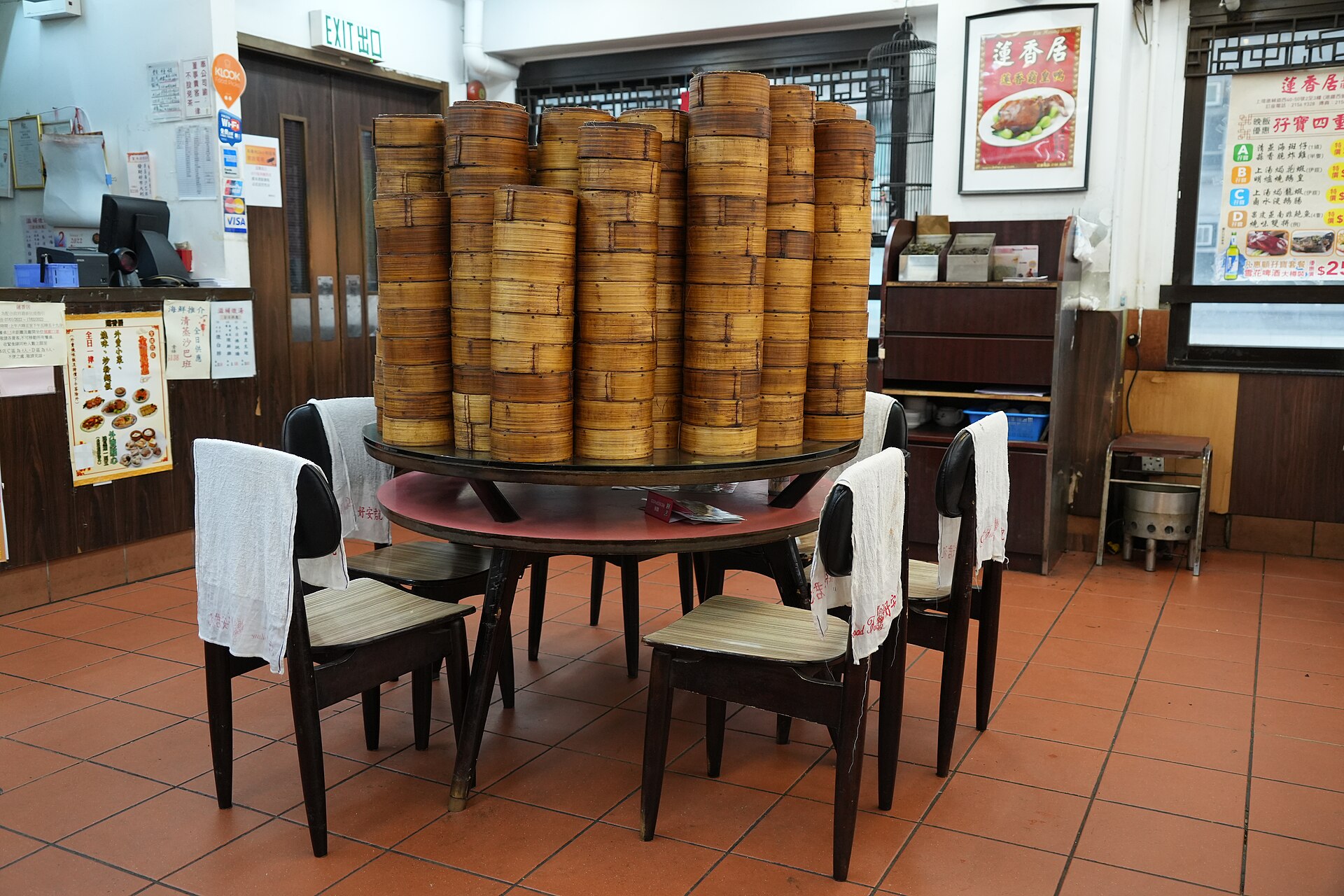
Three regular moves. First, order the whole steamed fish when it’s offered — it’s the centerpiece a Chinese table is built around, and the cheeks are the prize. Second, always order a plate of simple stir-fried greens (pea shoots, water spinach, gai lan); it balances a rich table and it’s where you judge a kitchen’s wok. Third, at dim sum, tap two fingers to thank whoever pours your tea, and rest the pot lid ajar when it’s empty to ask for a refill.
The umbrella move behind all nine: ask, then share. Tell your server how you like to eat and let them steer — “we love vegetables,” “we want it spicy,” “surprise us” — then order dishes to pass around, not personal plates. That single shift is the difference between eating at a restaurant and eating like a regular.
Eat like a local — order like one too
Knowing what to order is half of it; the other half is ordering direct, so more of your money reaches the kitchen instead of a delivery app. Browse the JinsCafe directory to find Chinese, Japanese, Korean, Thai and Vietnamese restaurants that take orders directly — no third-party commission fees — and read real diner reviews before you go. Want to keep leveling up? Our guide to table manners across Asia covers the moves that happen once the food arrives.