Your First Omakase: What Happens, What It Costs, and How to Not Panic
No menu, no prices on the wall, a chef watching you eat — omakase sounds intimidating and isn’t. Here’s exactly what happens, start to finish.

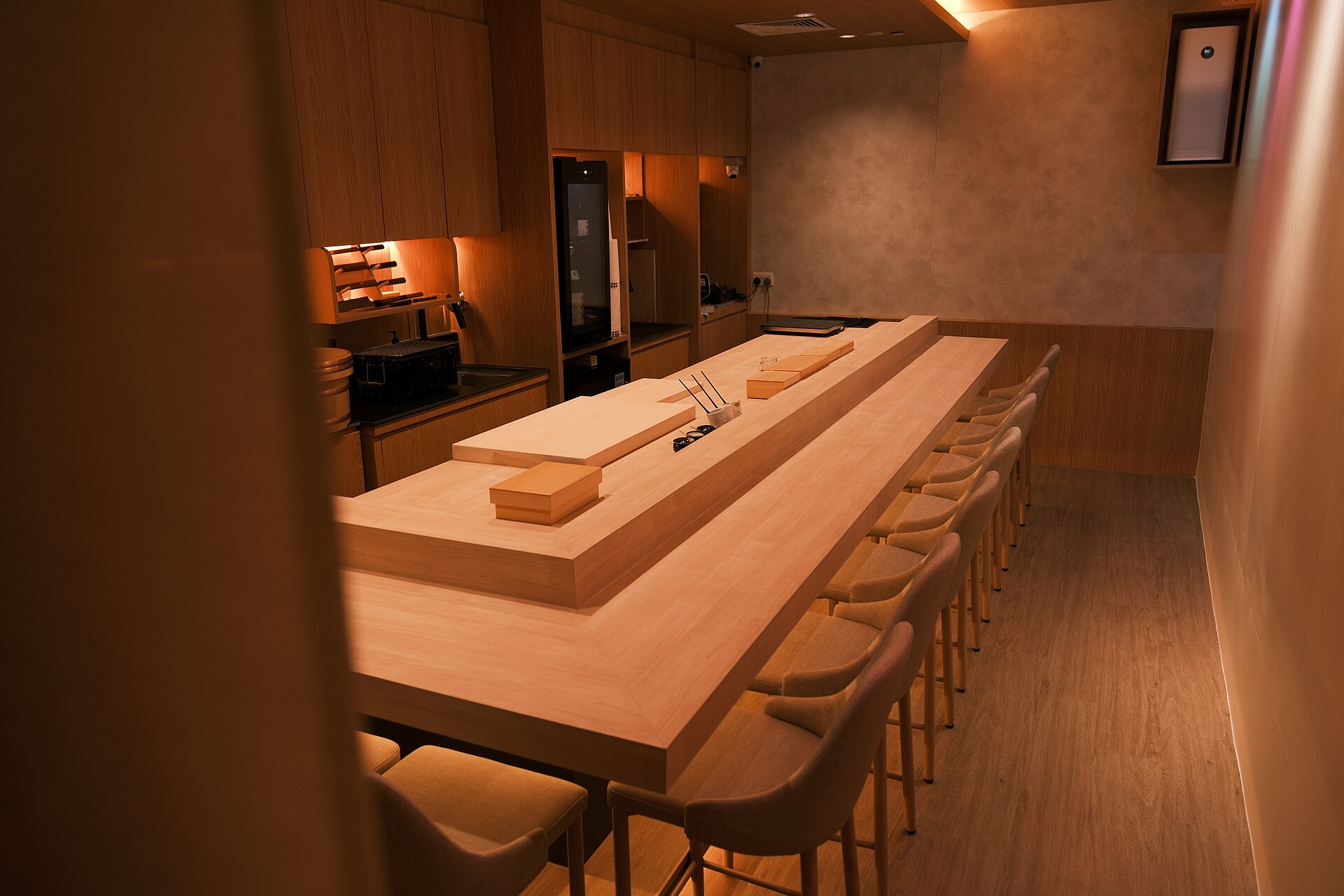
You sit at a small counter. There’s no menu, no prices, and a chef standing directly across from you, watching. For a lot of people that’s the whole reason they’ve never tried omakase — the fear of not knowing the rules. Here’s the good news: omakase is the most relaxed way to eat sushi, because every decision is made for you. This guide walks through exactly what happens, so the only thing left to do is enjoy it.
What omakase actually means
Omakase (お任せ) translates to “I leave it up to you.” You’re handing the chef the wheel: instead of ordering, you eat a sequence they design that night around what’s freshest, in the order that makes each piece taste its best. It’s not a fixed set menu — it’s a live, personal progression. The chef reads the market, the season, and often you, adjusting as they go. If you want the fundamentals of the fish itself first, our sushi guide is a good warm-up.
The flow, start to finish
Most sushi omakase follows a loose arc, though every chef has their own rhythm:
- A small starter or two — perhaps a seasonal appetizer (otsumami) or a slice of sashimi to begin.
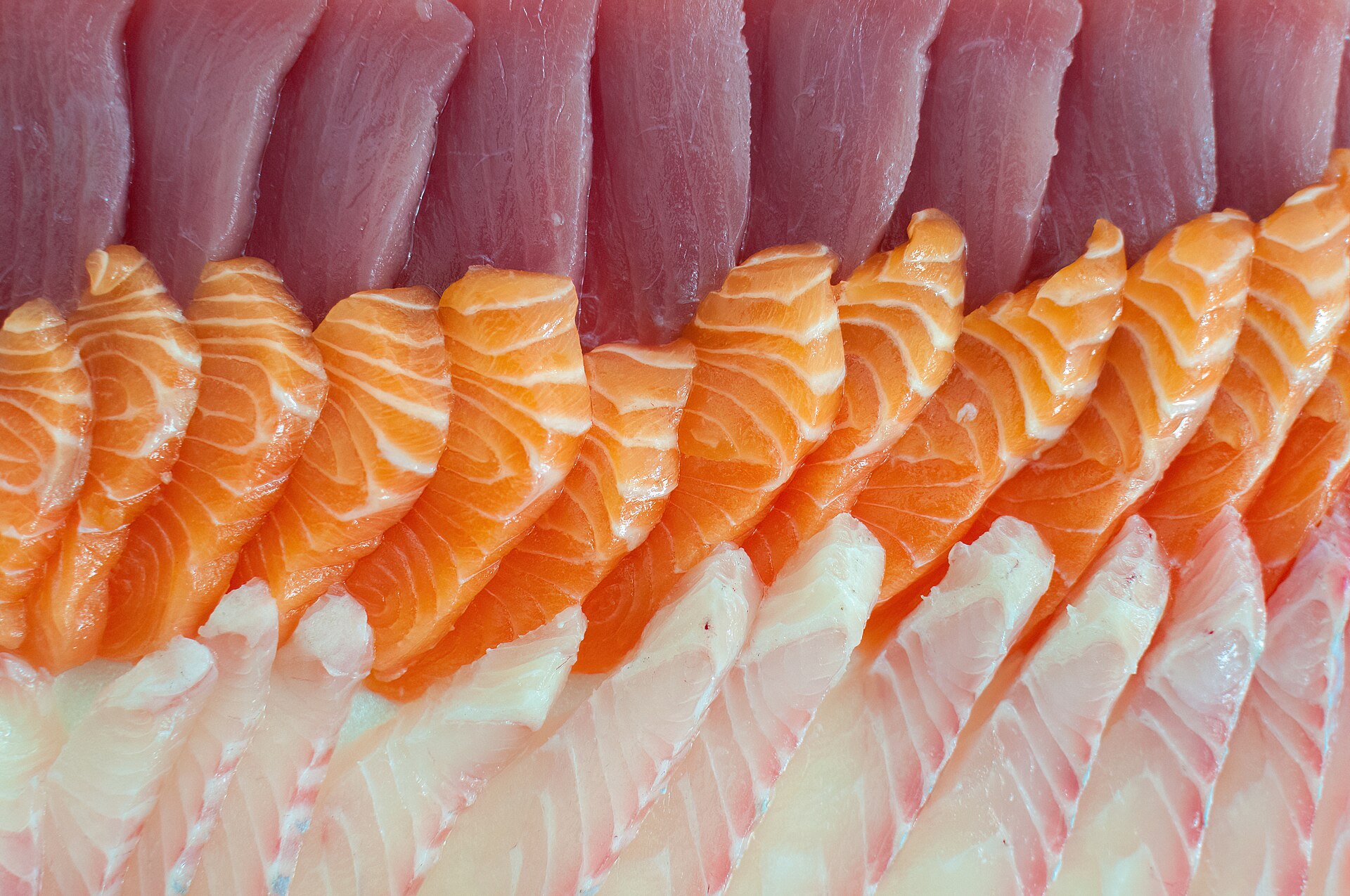
- The nigiri progression — the heart of the meal. Pieces usually move from lighter to richer: lean white fish first, then tuna and silver fish, building toward fatty tuna (toro), sea urchin (uni), and grilled eel.
- A tamago (sweet egg) and often a hand roll or a small bowl of soup near the end.
- A light dessert to close.
Pieces come one or two at a time, placed in front of you or on a small block. The pace is set by the chef; you’re meant to eat each piece promptly while the rice is at temperature, then wait for the next. Anywhere from 12 to 20-plus courses is normal.
How to behave at the counter
The etiquette is simpler than the mystique suggests:
- Eat each piece right away, ideally in one bite. The chef timed the rice; letting it sit undoes their work.
- Use your hands or chopsticks — both are correct for nigiri. If you’re unsure of the mechanics, our chopstick etiquette guide has you covered.
- Don’t drown it in soy sauce, and don’t add wasabi. The chef has already seasoned each piece exactly as intended. If soy is needed, they’ll have brushed it on or will tell you.
- Skip heavy perfume or cologne — it competes with subtle aromas for you and everyone nearby.
- Talk to the chef. Asking what a piece is, or saying which you loved, is welcome — this is a conversation, not an exam.
- Photos: a quick, no-flash shot is usually fine, but eat before it warms up. When in doubt, ask.
What it costs
Price is the other great unknown, and it varies enormously by city and caliber. As a general picture in the U.S.:
- Neighborhood / entry-level omakase: often somewhere around $50–$90 per person.
- Mid-tier: roughly $100–$200, with a longer progression and higher-grade fish.
- High-end / destination counters: $250 and well beyond, sometimes into the hundreds per person.
These are broad ranges, not quotes — always check the restaurant’s listed price before you book, and remember that drinks (especially sake), tax, and tip are usually on top. If a set price isn’t posted, it’s completely fine to ask when you reserve.
Budgeting tip: many high-end sushi bars offer a shorter lunch omakase at a meaningfully lower price than dinner — the same kitchen and skill, fewer courses. It’s the smartest way to try a place that would otherwise be a splurge.
Allergies, diet, and what you can’t eat
Tell them when you book, not mid-meal. Because the chef plans the sequence in advance, advance notice lets them substitute gracefully. Most counters can work around a shellfish allergy, no raw items, no uni, or a vegetarian-leaning progression — but a true omakase is fish-centric, so call ahead if your restrictions are significant. Not drinking alcohol is a non-issue; tea and other options are always available.
A quick word on tipping
In the U.S., a sushi counter is still a restaurant, and tipping applies — customary ranges are the same as any sit-down meal. A few high-end counters build gratuity into a set price or add a service charge, so check your bill before adding more. For the full picture, including how this differs abroad, see our tipping guide.
Find your first omakase
The best first omakase is an approachable neighborhood counter where you can talk to the chef — exactly the kind of place in our directory. Browse the JinsCafe directory for Japanese restaurants near you, read diner reviews to find a warm, beginner-friendly counter, and order or reserve direct — no third-party fees. Relax; the whole point of omakase is that you don’t have to know anything. That’s the chef’s job.