The Truth About General Tso’s Chicken (It’s Not From China)
It is the most iconic “Chinese” dish in America — sweet, crispy, glossy. But it was never invented in China, and its real story is far better than the myth.

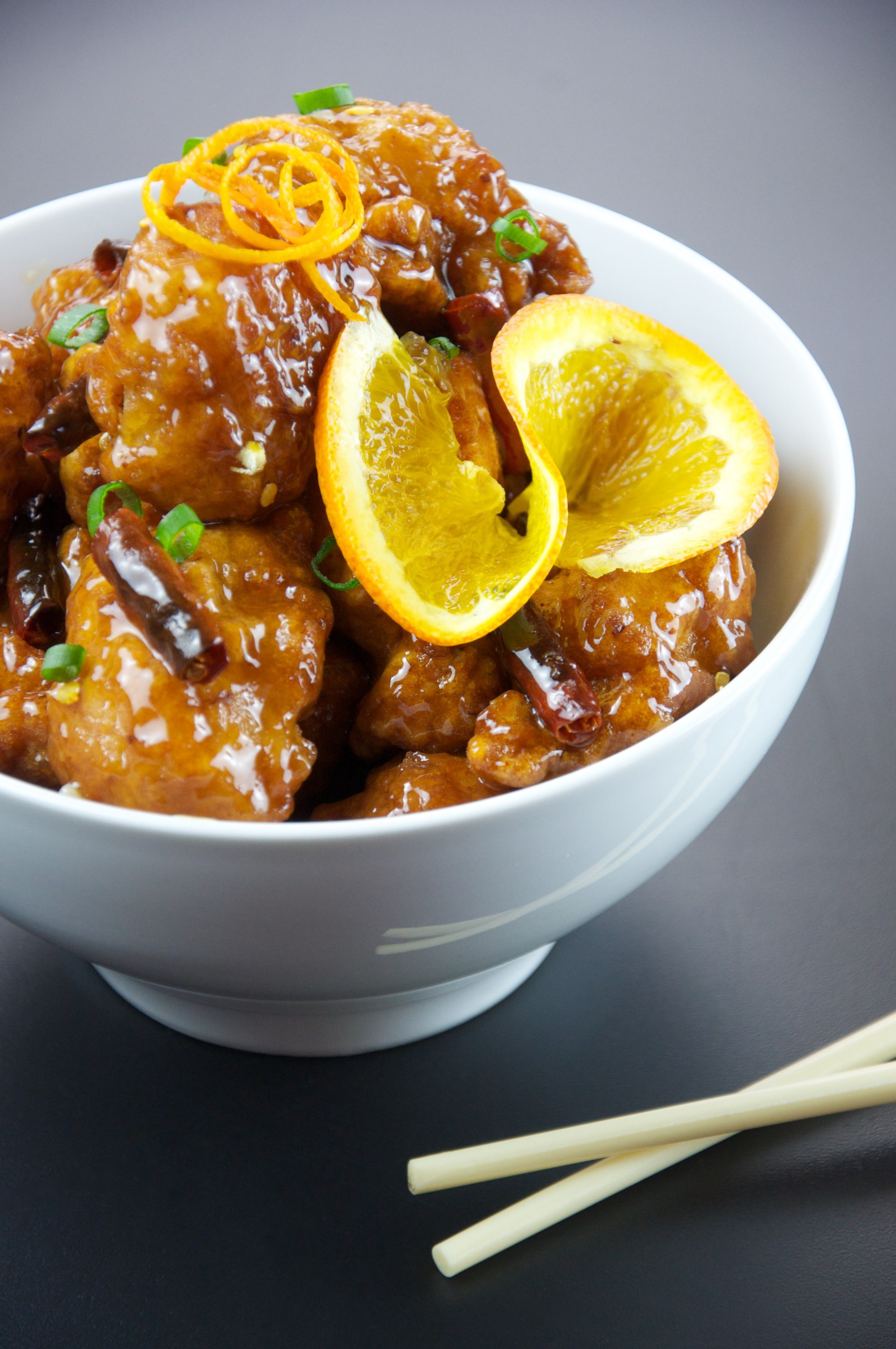
It is on nearly every Chinese-American takeout menu in the country: glossy, deep-fried chicken in a sweet, tangy, faintly spicy sauce, piled over rice. Ask for it in most of mainland China, though, and you will get a blank look. General Tso’s chicken — the single most iconic “Chinese” dish in America — was not invented in China. Its real story runs from Hunan to Taiwan to a restaurant kitchen in 1970s New York, and it is a far better story than the myth.
Who was General Tso?
The general was real. Zuo Zongtang (左宗棠, 1812–1885) was a formidable Qing-dynasty statesman and military leader from Hunan province, best known for suppressing rebellions and reconquering Xinjiang. He was a genuine historical heavyweight — roughly a contemporary of the American Civil War era.
But here is the twist: the general has no known connection to the dish that bears his name. There is no evidence he ever ate anything like it, and the sweet, deep-fried chicken served under his name today would have been unrecognizable in his lifetime. His name was attached later, as a flourish — the way dishes are sometimes named to sound grand or to honor a famous son of the region.
The real origin: Hunan by way of Taiwan
The dish’s actual inventor was a Hunanese chef named Peng Chang-kuei (彭长贵). A master of authentic Hunan cuisine, Peng fled mainland China for Taiwan after the Chinese Civil War in 1949, and cooked for Nationalist government banquets. It was in Taiwan, sometime around the 1950s, that he created the first version of the dish and named it for the Hunanese general.
Crucially, Peng’s original was nothing like the American version. It was savory, sour, and spicy — heavy on chili and garlic, with no sugar to speak of — very much in the sharp, punchy Hunan style. It was a serious dish, not a sweet one.
Chef Peng himself, when he later tasted the sweetened American version, is said to have disapproved — it was not the dish he created. Yet that sweet version is the one that conquered a continent.
How it got sweet: the New York turn
The dish crossed to the United States in the early 1970s, a moment when interest in Hunan and Sichuan cooking was surging in New York. Peng himself opened a restaurant in Manhattan, and other chefs picked the dish up too. But American palates of the era pulled it in a clear direction: away from fiery and sour, toward sweet, sticky, and crowd-pleasing.
Over a few years the chilies receded, sugar and a thicker glaze moved in, and the chicken got a crispier deep-fried coat to hold the sauce. The result was less Hunan and more American — and it spread from those Manhattan dining rooms to practically every takeout counter in the country.
So is it “fake” Chinese food?
No — and that framing misses the point. General Tso’s chicken is a genuine dish with a real inventor, a real evolution, and a real place at the table. It belongs to American-Chinese cuisine, a tradition built by Chinese immigrant cooks who adapted their food to new ingredients, new tastes, and new lives — the same way every immigrant cuisine has always evolved.
Dishes like chop suey, chow mein, and orange chicken are not counterfeits of “real” Chinese food; they are a distinct, living cuisine in their own right, born of ingenuity and hustle. Judging them against a Hunan banquet is like judging a New York bagel against a Viennese pastry — different traditions, each valid on its own terms.
What to know when you order it
- Expect sweet, not fiery. The American standard is sweet-savory with a gentle chili background. If you want heat, ask the kitchen to make it spicy.
- Look for freshly fried. The best versions keep the chicken crisp under the glaze rather than soft and soggy; a kitchen that fries to order makes all the difference.
- Compare its cousins. Sesame chicken (sweeter, with seeds), orange chicken (citrus-forward), and Hunan-style chicken (genuinely hotter) are all close relatives worth trying side by side.
- Chase the real thing too. If a restaurant advertises authentic Hunan cooking, ask about their spicy, non-sweet dishes — you may taste something close to what Chef Peng first intended.
Where the dish fits in Chinese food
Understanding General Tso’s is really understanding two cuisines at once: the fierce, chili-driven cooking of Hunan, and the inventive American-Chinese canon it helped define. To see where authentic Hunan sits among China’s regional kitchens, read our guide to the eight great cuisines of China.
Find it near you — and order direct
Craving a plate of General Tso’s done well? Browse the JinsCafe restaurant directory for Chinese restaurants that let you order online directly, with no third-party delivery fees, and check real diner reviews and ratings first. Curious about another dish with a surprising story? Discover how the soup gets inside soup dumplings.