Why Tea Is Never Just Tea: Cha Culture From China to Japan
A pot of tea on an Asian table carries centuries of ritual, respect and meaning. Here is how cha culture works — from gongfu brewing to the finger-tap thank-you.

In much of East Asia, tea is not a beverage you order and forget. It is a thread running through hospitality, philosophy, family and daily rhythm. The Chinese word for it — cha (茶) — travels across the whole region, and so does a shared idea: that the way you brew, pour and receive tea says something about respect. Understand a little of that, and a simple pot on the table opens up into something much richer.
China: the birthplace, and the art of gongfu cha
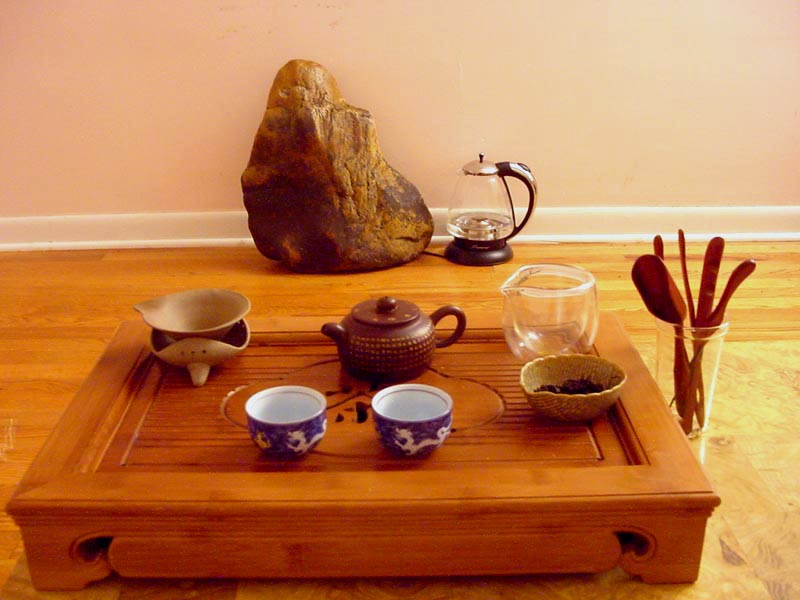
Tea was first cultivated and drunk in China, and legend traces it back thousands of years to the mythical emperor Shennong. Out of that long history grew gongfu cha (功夫茶) — literally “tea made with skill and effort.” It is not a formal ceremony so much as a mindful method: a tiny clay teapot or a lidded gaiwan, a generous amount of leaf, and many short, successive infusions rather than one long steep.
The idea is that a good tea reveals itself in stages. The first infusion wakes the leaves; the second and third are the fullest; later steeps grow lighter and reveal new notes. Brewed this way, a single serving of leaves can be enjoyed a dozen times, and the whole thing becomes a slow, shared conversation as much as a drink.
The finger-tap thank-you
Here is the single most useful piece of tea etiquette you can carry into any Cantonese restaurant. When someone refills your cup, you thank them without interrupting the conversation by tapping two fingers (index and middle) gently on the table. The gesture is said to date from an emperor who traveled in disguise and poured tea for his own servants; unable to bow to their ruler without blowing his cover, they bowed with their fingers instead. True or not, the custom lives on — and using it marks you instantly as someone who knows.
The main families of tea
Nearly all true tea comes from one plant, Camellia sinensis. What makes green, oolong and black tea so different is oxidation — how long the leaves are exposed to air after picking.
- Green tea — barely oxidized, pan-fired or steamed to lock in freshness. Grassy, vegetal, delicate. Longjing (Dragon Well) in China; sencha in Japan.
- Oolong — partly oxidized, sitting between green and black. Enormously varied, from light and floral (Tieguanyin) to dark and roasted (Da Hong Pao). The heartland of gongfu brewing.
- Black tea (called “red tea,” 红茶, in China) — fully oxidized, bold and malty. Keemun, Dianhong.
- Pu-erh (普洱) — a fermented, aged tea from Yunnan, earthy and deep, sometimes aged for decades like wine. Prized at dim sum for cutting through rich food.
Japan: from China, then something entirely its own
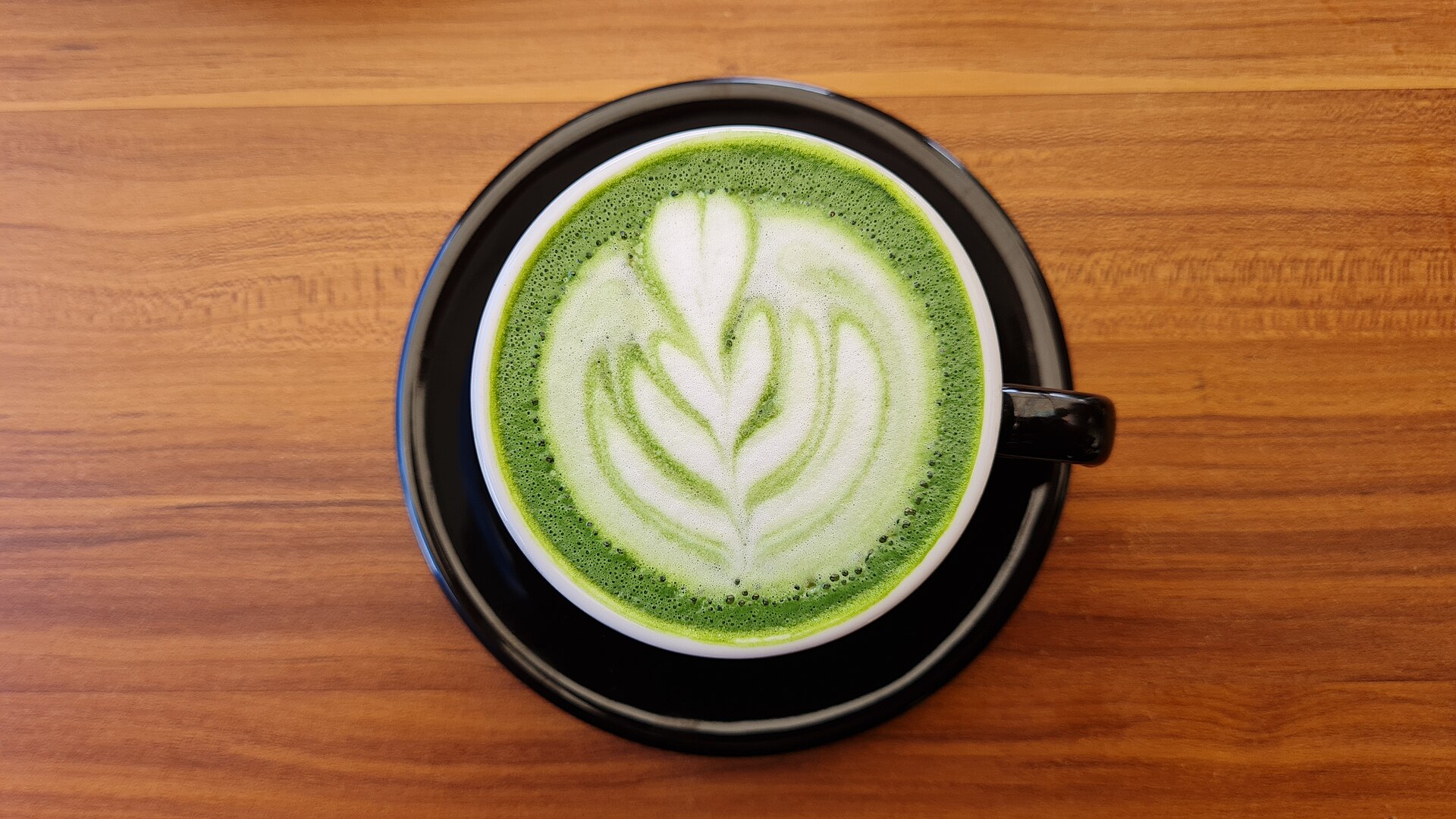
Tea reached Japan with Buddhist monks, who brought powdered green tea and a meditative way of drinking it. Over centuries that grew into chado (茶道) — “the way of tea,” a highly refined ceremony built around matcha, stone-ground green tea whisked into a jade-green froth.
The tea ceremony, shaped by the 16th-century master Sen no Rikyu, is guided by four principles — harmony, respect, purity and tranquility — and by the idea of ichigo ichie, “one time, one meeting”: every gathering is unrepeatable, so give it your full presence. Every movement, from folding the cloth to rotating the bowl, is deliberate. It is less about drinking tea than about attention itself.
The Chinese gongfu table and the Japanese tearoom look very different, but they share one belief: that slowing down to make and share tea properly is a way of honoring the people you are with.
Tea at the table: dim sum and beyond
You will meet tea culture most often at yum cha — literally “drink tea” — the Cantonese tradition of tea with small plates. Tea is not an afterthought there; it is the whole point, the reason the meal exists. Common pours include earthy pu-erh, floral jasmine, roasted oolong, and chrysanthemum. If you want to see the finger-tap and the lid-ajar refill signal in their natural home, read our full guide to dim sum.
A few points of etiquette
- Pour for others before yourself, starting with the eldest or most senior at the table.
- Tap two fingers to thank whoever refills your cup.
- When the pot is empty, rest the lid ajar on top to ask for a refill.
- Hold the cup with both hands when receiving tea from an elder, as a sign of respect.
- Don’t fill a cup to the brim — leaving room is considered courteous.
Find a table and pour a pot
The best way to appreciate cha culture is at the table, with dim sum, a Japanese meal, or a pot of oolong after dinner. Browse the JinsCafe directory for Chinese and Japanese restaurants near you, order direct online with no third-party fees, and read diner reviews before you go. New to the tea-and-small-plates ritual? Start with our dim sum guide.