8 Lunar New Year Foods and the Luck They’re Supposed to Bring
Almost every dish on the Lunar New Year table is a wish in edible form — for wealth, long life, or family togetherness. Here is the meaning behind eight of them.

At Lunar New Year, what you eat is never only about taste. Across China and much of East Asia, the holiday table is a carefully chosen set of wishes — for wealth, longevity, promotion and family unity. Much of the symbolism turns on homophones: words that sound alike, so a food comes to stand for the lucky word it echoes. Here are eight classics and the good fortune each is meant to carry.
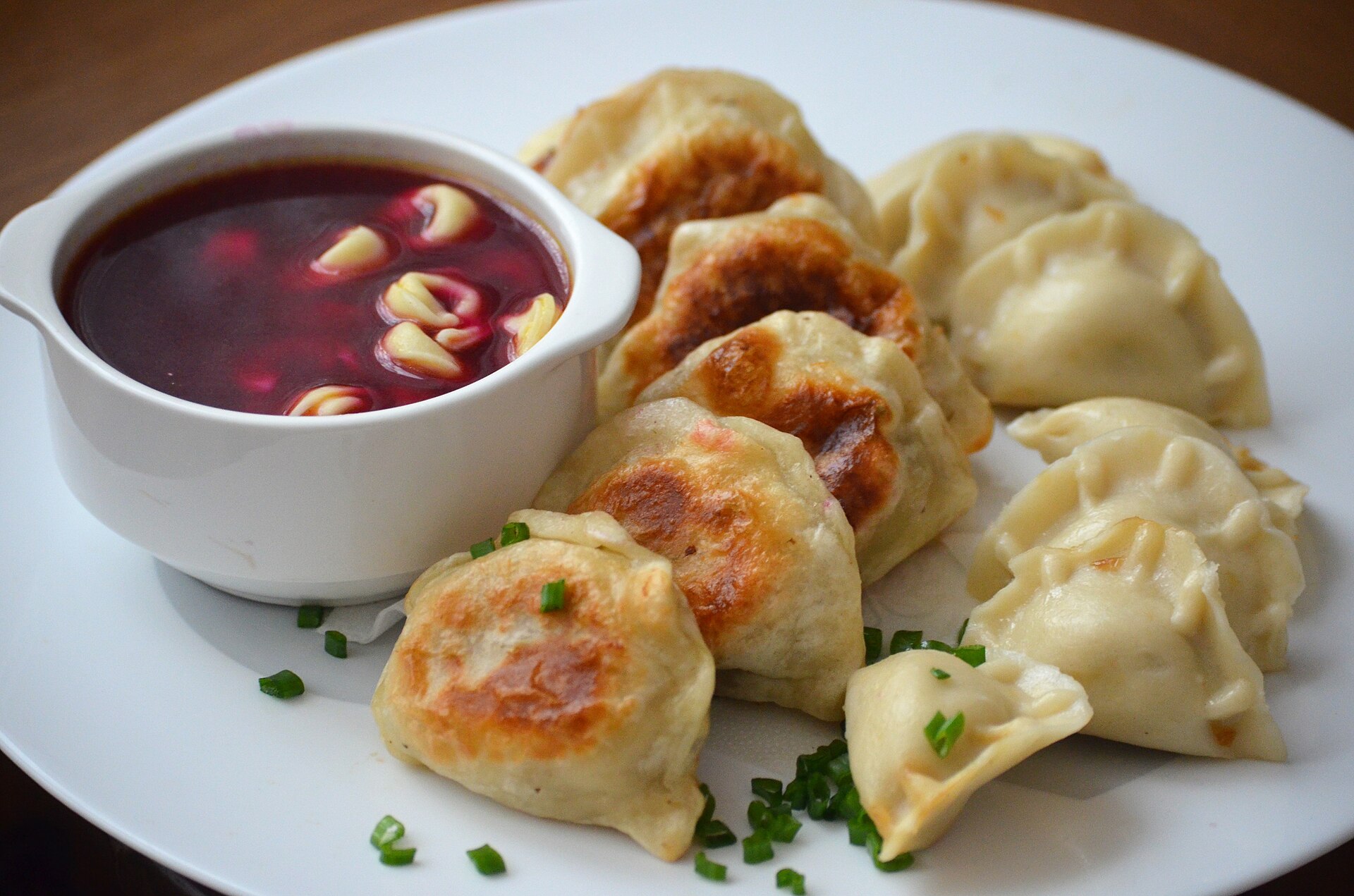
1. Dumplings — wealth
Jiaozi (饺子) are the centerpiece of the northern Chinese New Year table, and they mean money. Their plump, folded shape resembles a yuanbao, the gold-and-silver ingot used as currency in imperial China — so eating them is like piling up wealth. Families gather to wrap them together on New Year’s Eve, and tradition says the more you eat, the more you will earn in the year ahead. Some households tuck a clean coin into one dumpling; whoever bites it is in for an especially lucky year.
2. Whole fish — surplus and abundance
Fish is essential, and the reason is a pun. The word for fish, yu (鱼), sounds exactly like the word for surplus (余). The New Year saying nian nian you yu (年年有余) — “may you have surplus year after year” — literally shares a sound with “may you have fish every year.” The fish is served whole, head and tail intact, to symbolize a good beginning and end. And by custom you leave some uneaten overnight — because a surplus that carries over is the whole point.
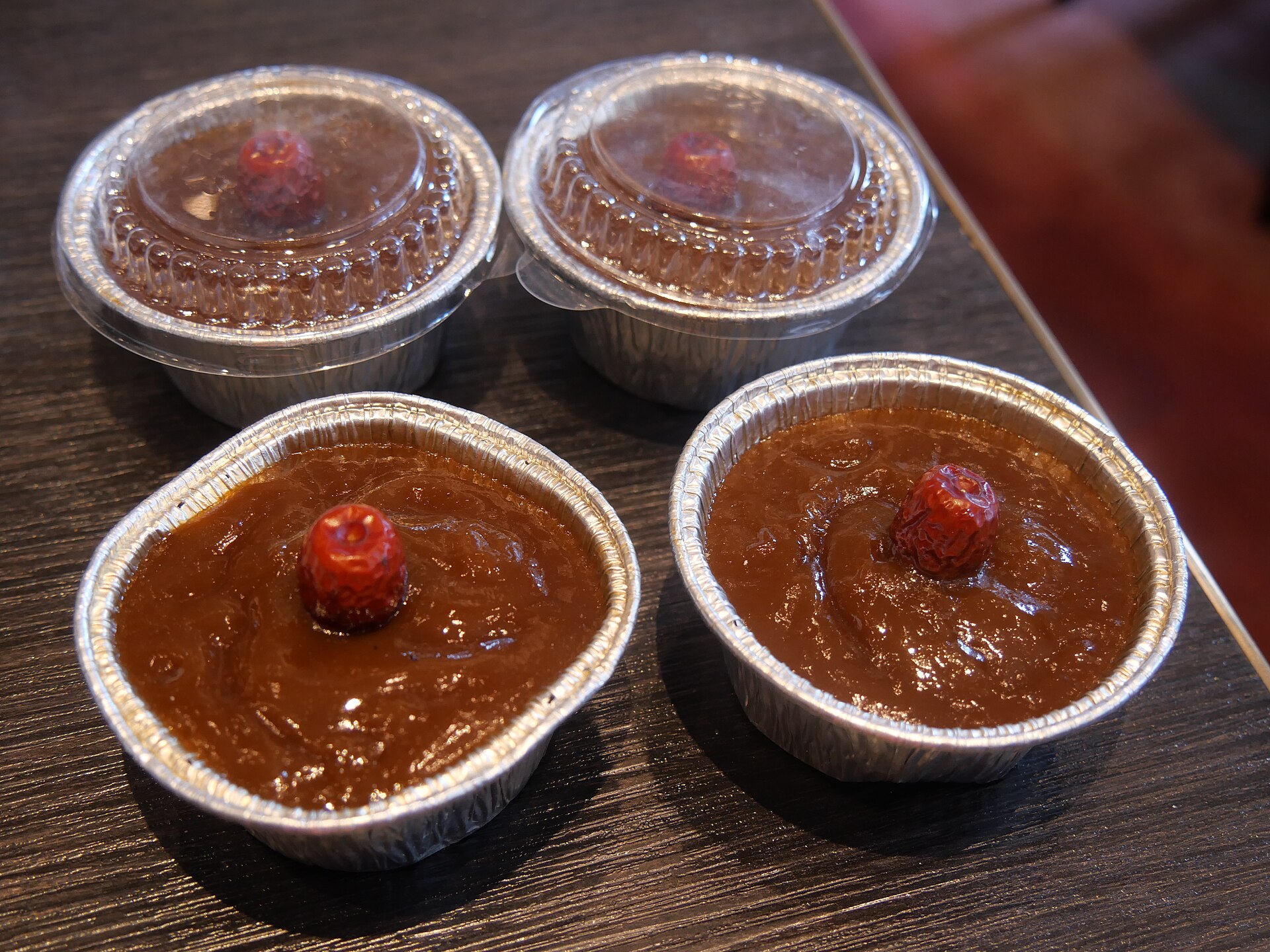
3. Nian gao — rising and progress
Nian gao (年糕), glutinous rice cake, is a New Year staple whose name is a wish in itself. It sounds like nian gao (年高) — “year high” — meaning a higher, better year: a raise, a promotion, growing children, rising fortunes. Sticky and sweet, it comes in many forms across the region, from steamed brown-sugar cakes in the south to pan-fried slices, and in Korea the new year is marked with tteokguk, a rice-cake soup that also symbolizes a year gained.
4. Long noodles — longevity
Longevity noodles (长寿面, changshou mian) are exactly what they sound like: the length of the noodle stands for the length of your life. The rule is that they should be as long and unbroken as possible — so you neither cut them in the kitchen nor bite them in half at the table. Slurp the whole strand if you can. Shortening a longevity noodle is, symbolically, shortening a life.
Notice the pattern: shape, sound and wholeness all carry meaning. A dumpling looks like money, “fish” sounds like “surplus,” and a noodle is only as lucky as it is unbroken. To eat well at New Year is to eat your wishes.
5. Spring rolls — gold bars and wealth
Crisp, golden and shaped like little bars, spring rolls (春卷, chunjuan) are eaten to resemble bars of gold — another wish for a prosperous year. Their name also ties them to the arrival of spring, and therefore to fresh beginnings. Fried to a deep gold, arranged in a row, they are the New Year table’s edible ingots.
6. Oranges and tangerines — luck and gold
Piled in bowls and given as gifts, oranges and tangerines are New Year favorites for their round shape and bright gold color — both auspicious. The pun does the rest: the word for tangerine, ju (橘), contains the character for luck, and orange, cheng (橙), sounds like success (成). Tangerines with the leaves still attached are especially prized, as the leaves symbolize longevity and a secure connection to one’s roots.
7. Sweet rice balls — togetherness and reunion
Tangyuan (汤圆) — soft glutinous rice balls in warm broth — are round, and their roundness is the point. The word echoes tuanyuan (团圆), “reunion” and “togetherness,” and their shape mirrors the full moon and the family circle. Eaten especially at the Lantern Festival that closes the New Year season, they are a wish for the family to stay whole and united through the year.
8. Other lucky bites
- Sticky rice cake with dates and lotus seeds — the lotus seed (莲子, lianzi) puns on “continuous children,” a wish for many descendants.
- Chicken served whole — symbolizing family togetherness and a good, complete start.
- Fa gao (发糕), “prosperity cake” — the fa means both “to rise” (like the cake) and “to get rich.”
- Leafy greens like Chinese lettuce (生菜, shengcai) — a pun on “generating wealth.”
Bring the luck to your own table
You do not need to cook all of this yourself to share in the tradition — many Chinese, Cantonese and Asian restaurants prepare New Year specials, from dumplings to whole fish to nian gao. Browse the JinsCafe directory to find them near you, order direct online with no third-party fees, and read diner reviews before you go. Want to build a proper spread of small plates for the occasion? Start with our dim sum guide, or explore the country’s many kitchens in our guide to regional Chinese cuisine.