Bubble Tea Decoded: Every Topping and Sugar Level, Explained
Milk tea or fruit tea, tapioca or popping boba, 50% or 25% sugar — here is what every choice on the bubble tea menu actually means, and how to build your perfect cup.

You step up to the counter, and the menu asks you six questions before you’ve even chosen a flavor. Base tea? Milk or fruit? Which topping? Sugar level? Ice level? Size? For a first-timer it can feel like a test you didn’t study for. It isn’t — bubble tea is a build-your-own drink, and once you understand the four decisions that matter, you can order exactly the cup you want, every single time.
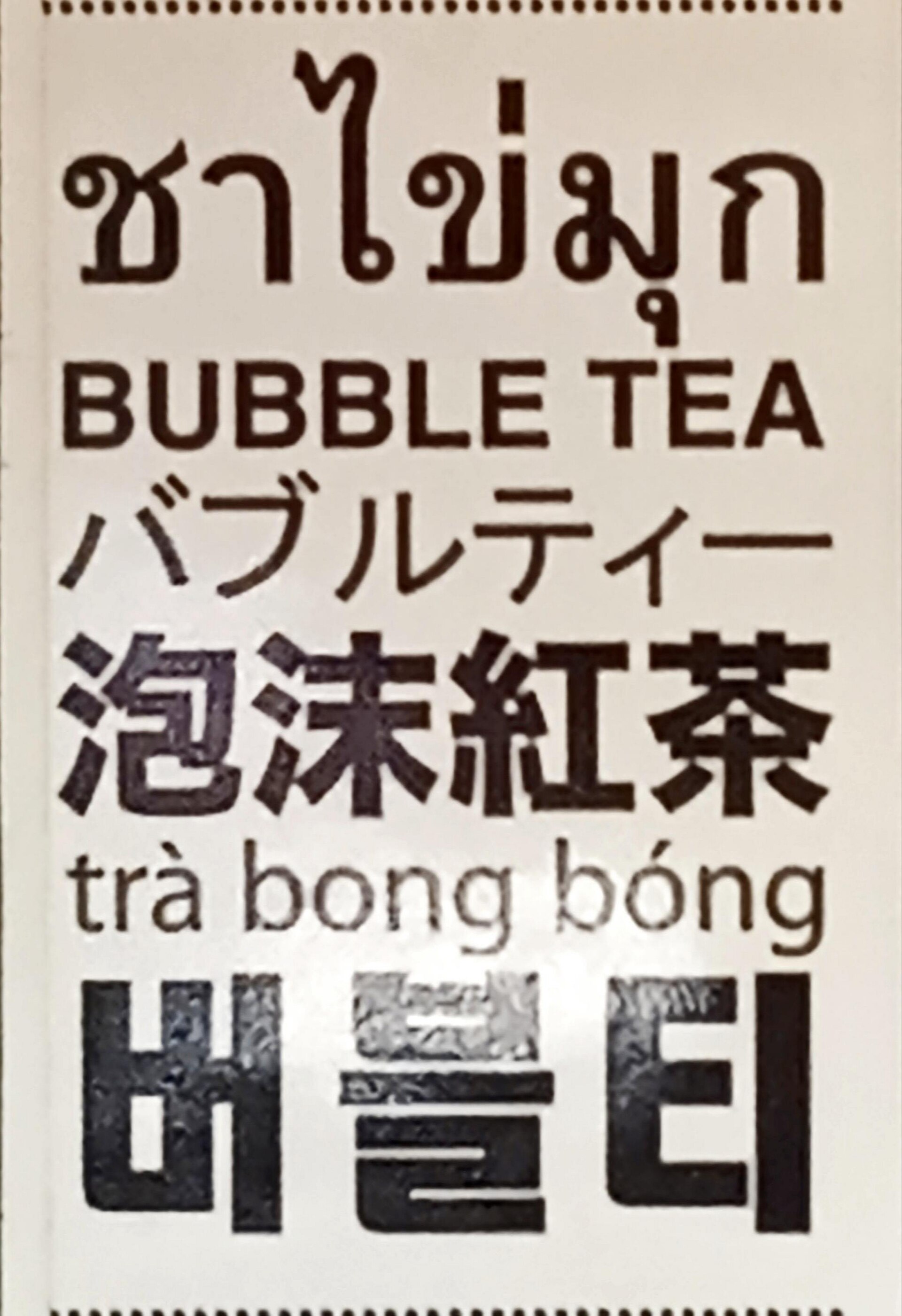
Bubble tea (also called boba, or 珍珠奶茶, zhēnzhū nǎi chá, “pearl milk tea”) was invented in Taiwan in the 1980s, when tea shops began dropping chewy tapioca pearls into sweetened iced tea. It spread across Asia and then the world, and today the menu has grown into a dizzying array of bases and toppings. Let’s decode it.
Decision 1: The tea base
Everything starts with the tea itself. The most common bases:
- Black tea — the classic, bold and malty. This is the backbone of a traditional milk tea.
- Green tea — lighter and grassier, often jasmine-scented; excellent in fruit teas.
- Oolong — roasted, nutty, floral; a favorite for a more “grown-up” milk tea.
- Thai tea — a spiced black tea, sweet and vividly orange.
- Taro, matcha, or “no tea” bases — taro (a purple root, sweet and vanilla-like) and matcha are technically flavors rather than teas, but they anchor a drink the same way.
Decision 2: Milk tea or fruit tea?
This is the biggest fork in the road, and it changes the whole character of the drink.
Milk tea
Tea plus milk (or non-dairy creamer, or fresh/oat milk at better shops) makes a creamy, dessert-like drink. This is the lane for classic pearl milk tea, taro milk tea, matcha latte, and brown-sugar milk. It pairs best with chewy toppings like tapioca.
Fruit tea
Tea plus real fruit, purees or juice makes a bright, refreshing, non-creamy drink — passionfruit green tea, mango, strawberry, lychee, wintermelon. Fruit teas are lighter, usually lower in calories, and pair beautifully with popping boba, aloe and jelly. If milk tea is dessert, fruit tea is the thirst-quencher.
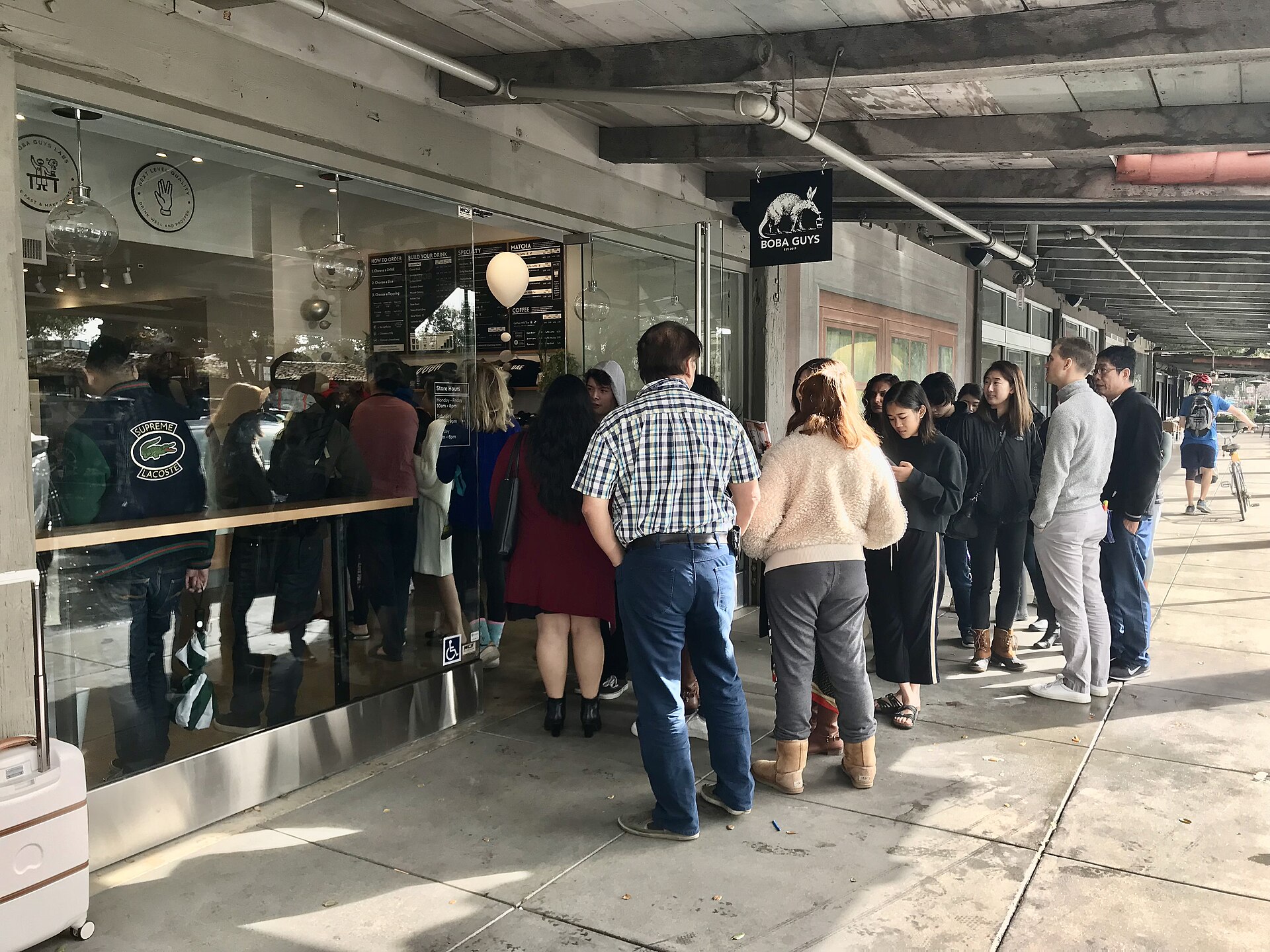
Decision 3: The toppings, decoded
This is where the menu earns its reputation. Here is what each one actually is:
- Tapioca pearls (boba) — the original. Chewy balls of tapioca starch, cooked and steeped in sugar syrup. Look for the texture the Taiwanese call QQ: springy and bouncy, never mushy or hard.
- Popping boba — thin-skinned spheres filled with fruit juice that burst in your mouth. Made by spherification, not tapioca — no chewing, just a pop. Great in fruit teas.
- Grass jelly — a soft, dark, herbal jelly with a faint bittersweet note. Cooling and not too sweet.
- Pudding — a soft egg custard, like flan. Rich and silky; a natural match for milk tea.
- Aloe vera — firm, slippery cubes with a clean, faintly sweet taste. Refreshing in fruit teas.
- Red bean — sweet cooked adzuki beans, an East Asian dessert staple; earthy and comforting in milk tea.
- Taro balls, sago, crystal jelly, coconut jelly — variations on the chewy-jelly theme; taro balls are especially popular in fruit-and-milk combinations.
- Cheese foam (milk cap) — a salty-sweet whipped cream cap poured on top of the tea; sip through it, no straw, for a savory-creamy contrast.
New to boba? A can’t-miss starter: classic black milk tea, tapioca pearls, 50% sugar, regular ice. It’s the drink the whole category is built on — and a fair way to judge any shop.
Decision 4: Sugar and ice levels
Almost every shop lets you dial the sweetness up or down, usually in these steps:
- 100% — full sweetness (often quite sweet by Western standards).
- 75% / 70% — a gentle step down; still clearly sweet.
- 50% (“half sugar”) — the sweet spot for many regulars; you can taste the tea.
- 30% / 25% — lightly sweet, tea-forward.
- 0% — unsweetened; note that toppings like tapioca and pudding still add sweetness.
Ice levels work the same way (regular, less, light, none, or hot). A tip: less ice gives you more actual drink, but it also warms up faster. Order 0% ice and the drink comes closer to room temperature.
How to customize like a regular
- Pick your base tea (black is the safe default).
- Choose milk tea (creamy, dessert) or fruit tea (bright, refreshing).
- Add one or two toppings — chewy ones (tapioca, pudding, taro balls) for milk tea; poppable or jelly (popping boba, aloe, grass jelly) for fruit tea.
- Set the sugar (try 50% first, adjust next time) and the ice.
Two small notes: bubble tea is served with a fat straw so the pearls can travel up it — that’s by design. And stir before you sip; the syrup and toppings settle at the bottom.
Why it’s worth ordering direct
Bubble tea travels well, which makes it a common delivery-app order — but those apps can quietly add markups and fees to every cup. When a tea shop offers its own online ordering, you usually get better prices and no middleman commission, and the shop keeps more of what you pay. It’s the same logic that makes ordering direct a win for food, too — more on that in the guide below.
Find bubble tea near you — and order direct
Ready for a cup? Browse the JinsCafe directory to find tea shops and Asian restaurants near you that let you order online directly, with no third-party fees, and check real reviews and ratings before you go. Want to make every order count for more? Read why ordering direct saves you (and the shop) money.